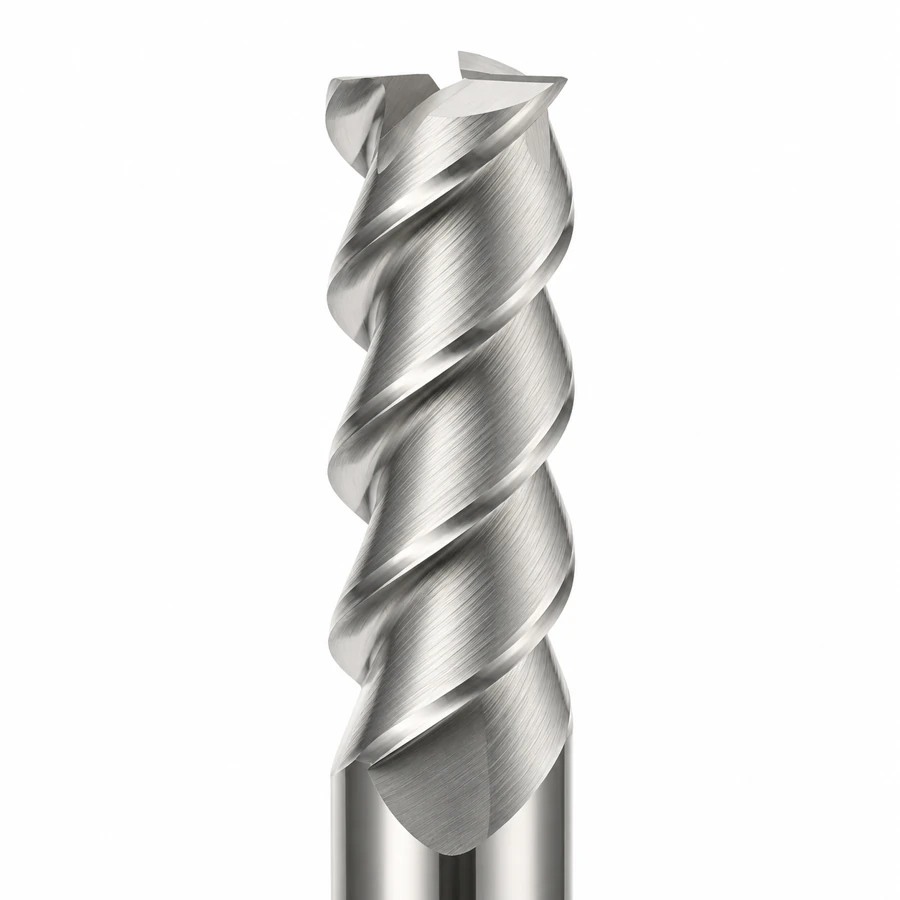
Square End Mills
For flat-bottom pockets, slots and straight walls. Two- and three-flute configurations allow flute space and cutting-edge count to suit the operation.
View Tool Details →ZHY manufactures carbide end mills for aluminum milling, from slots and pockets to curved surfaces. Square, ball nose, corner radius and single-flute tools are available in standard and custom dimensions, with uncoated and DLC Rainbow options.
Request a Quote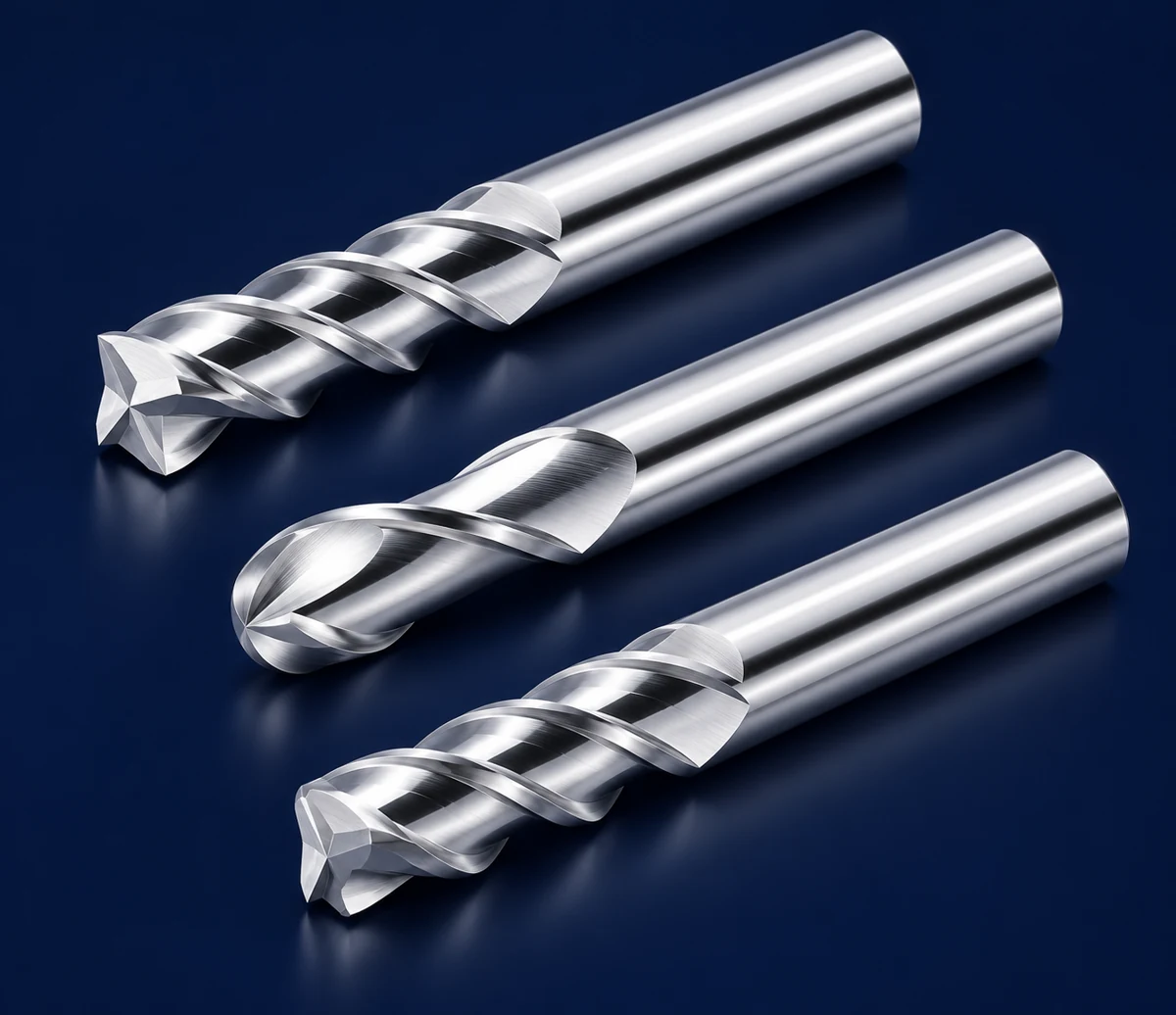
The feature on the part determines the cutter profile. Flute count, reach and coating then follow the aluminum grade and cutting operation.
For flat-bottom pockets, slots and straight walls. Two- and three-flute configurations allow flute space and cutting-edge count to suit the operation.
View Tool Details →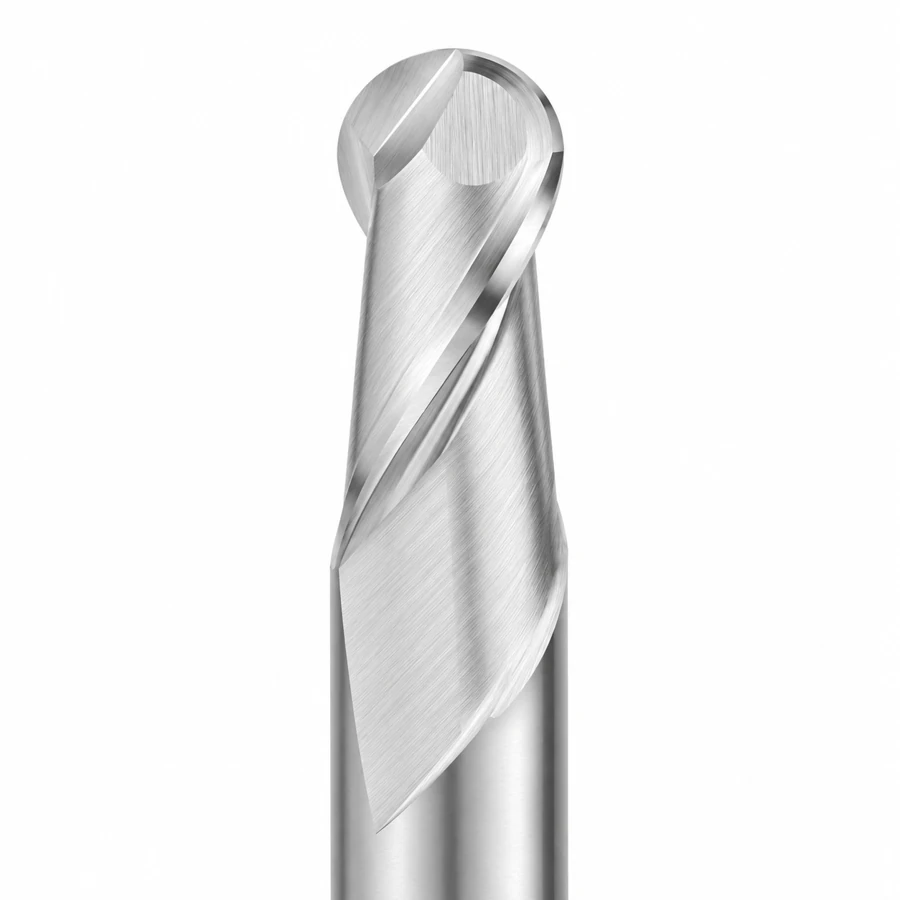
For aluminum cavities, inclined surfaces and 3D contours. The full-radius tip follows curved features; stepover and tool contact affect the remaining surface scallop.
View Tool Details →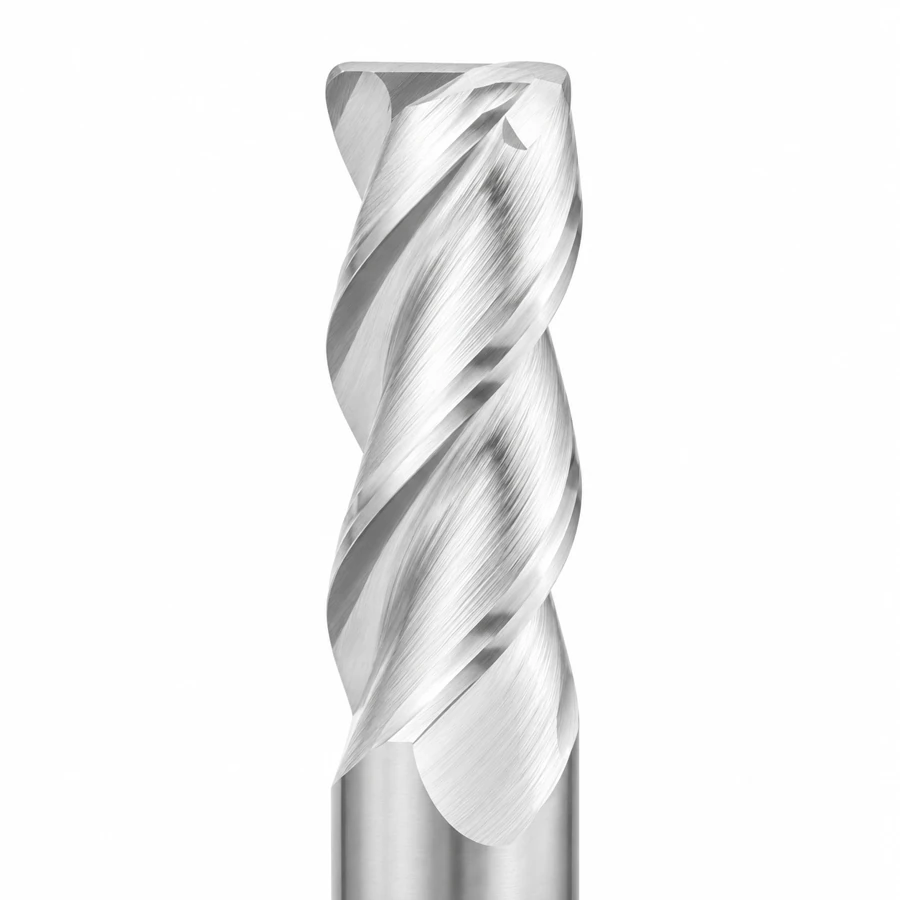
For shoulders, pockets and radiused floor-to-wall transitions. Specify the corner radius on the part drawing together with the cutting length and reach.
View Tool Details →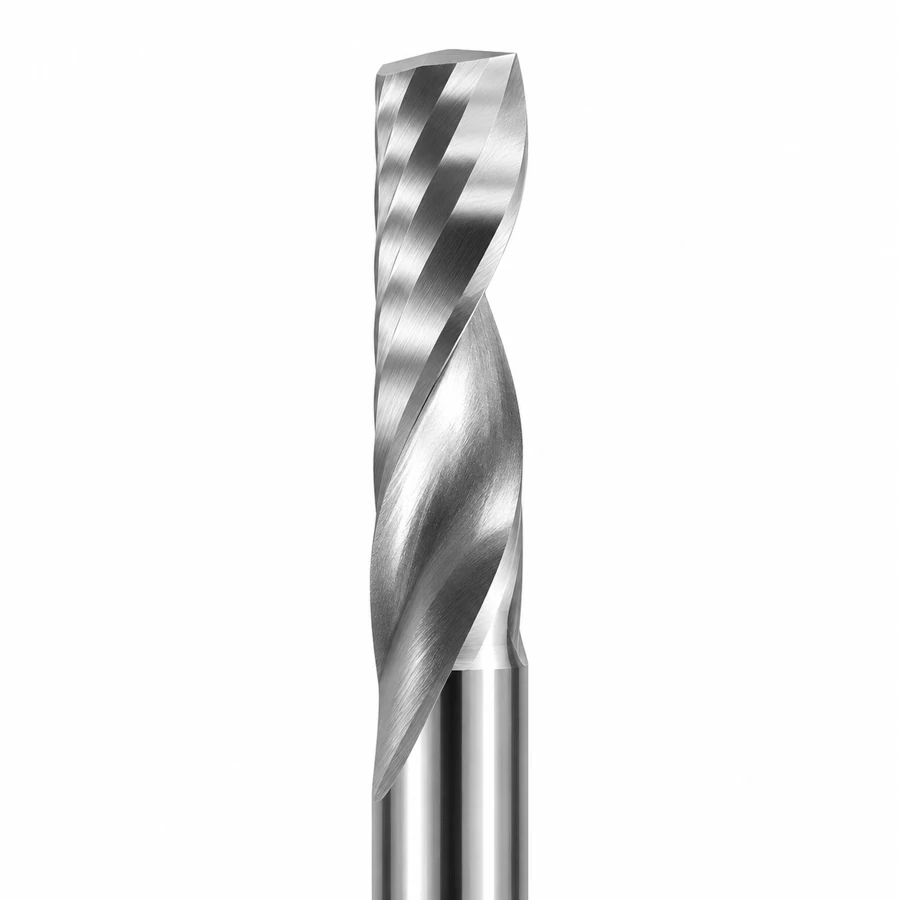
A single cutting edge leaves a large flute space for chips. Available for aluminum profiles, panels and other applications where chip evacuation guides tool selection.
View Tool Details →Aluminum chips can occupy considerable flute space. The cut width, pocket depth and access for coolant influence the flute count as well as the cutter profile.
Operation
Selection considerations
Tool options
Slots and enclosed pockets
Flute space, chip removal and full-width engagement
Single- or two-flute square tools
Side milling and open profiles
Wall height, radial engagement and finish
Two- or three-flute square tools
Curved cavities and contours
Surface curvature, stepover and contact position
Ball nose end mills
Shoulders and pocket corners
Required corner radius and tool reach
Corner radius end mills
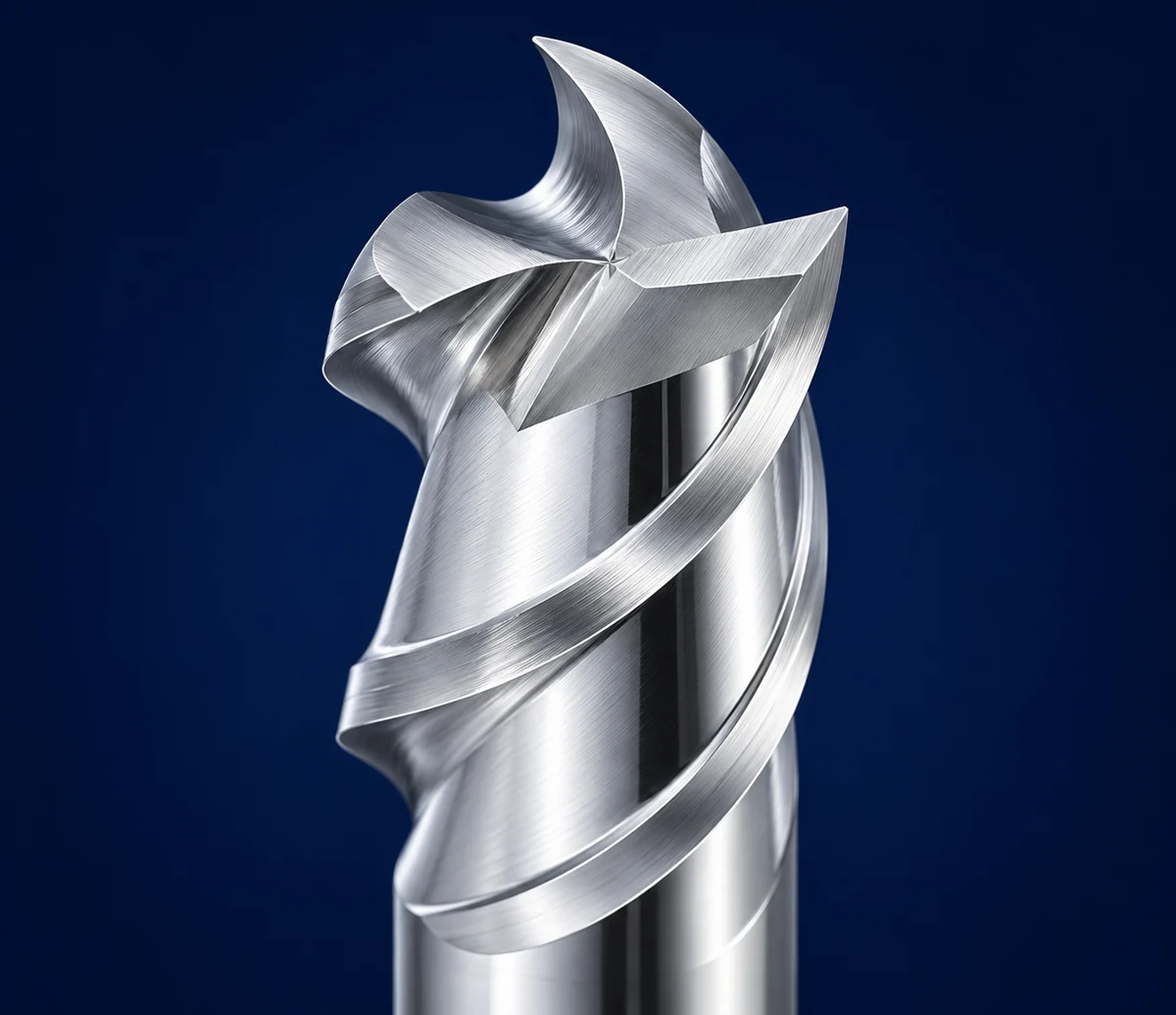
Sharp positive geometry and sufficient flute space help limit rubbing and chip recutting. The following values apply to the corresponding multi-flute configurations; single-flute tools use their own geometry.
The approximately 55% core leaves room for aluminum chips while retaining support behind the flutes.
The helix guides chip flow along the flute. Engagement, tool reach and machine rigidity still determine the appropriate cutting conditions.
A 6° end rake and 12° peripheral rake provide a sharp cutting action. Precision grinding with a 1200-grit wheel forms the cutting edges.
The range includes tools for 6000- and 7000-series aluminum. Alloy condition, silicon content and the cutting operation determine the suitable configuration.
6000-series aluminum
7000-series aluminum
Wrought aluminum parts
Aluminum-silicon alloys
Uncoated and DLC Rainbow tools are available. Coating choice should account for material adhesion, lubrication and surface requirements. High-silicon alloys may require a different cutting material for sustained production.
Our factory combines CNC tool grinding, edge preparation, coating equipment and profile inspection for carbide end mill production.
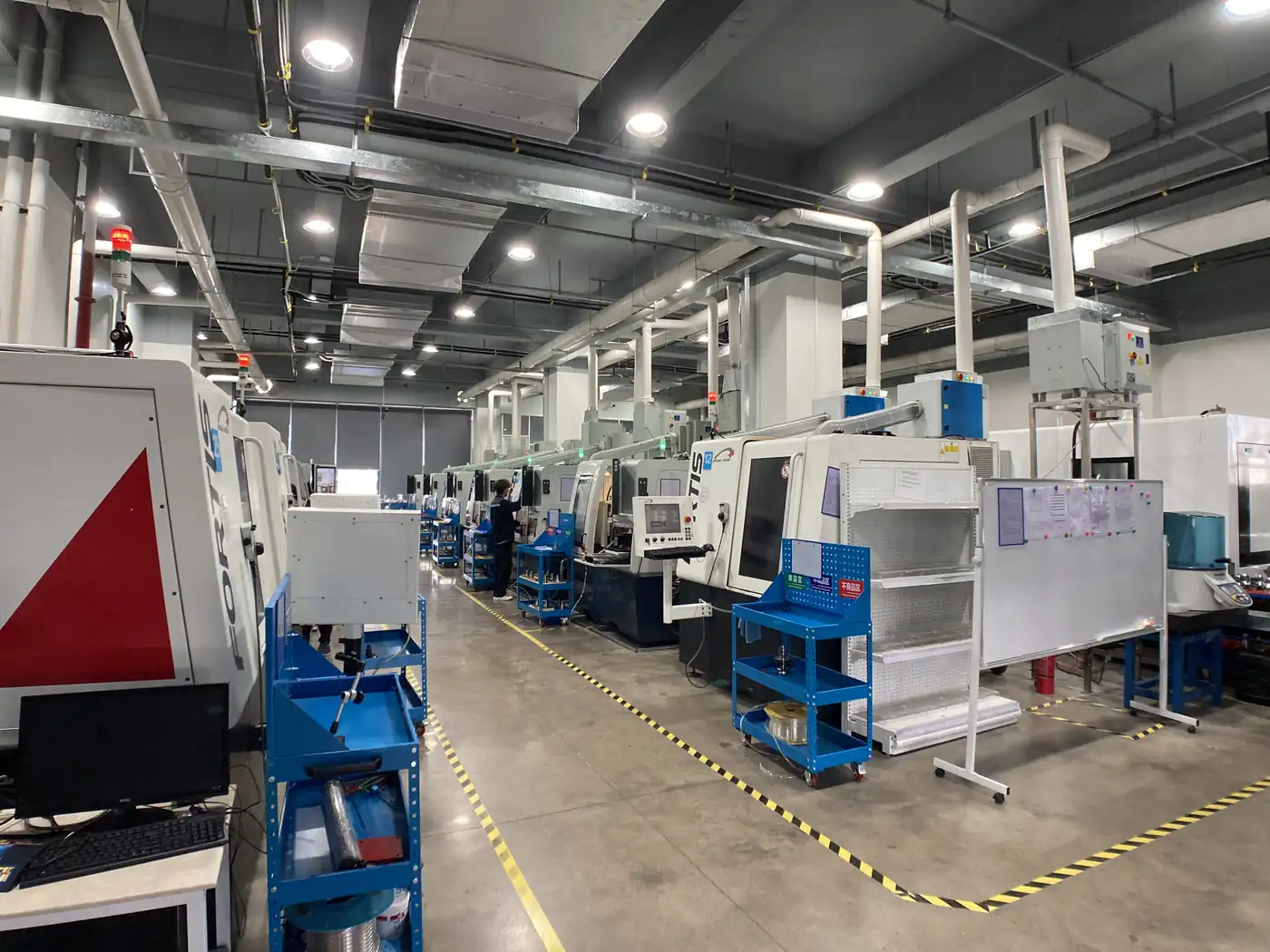
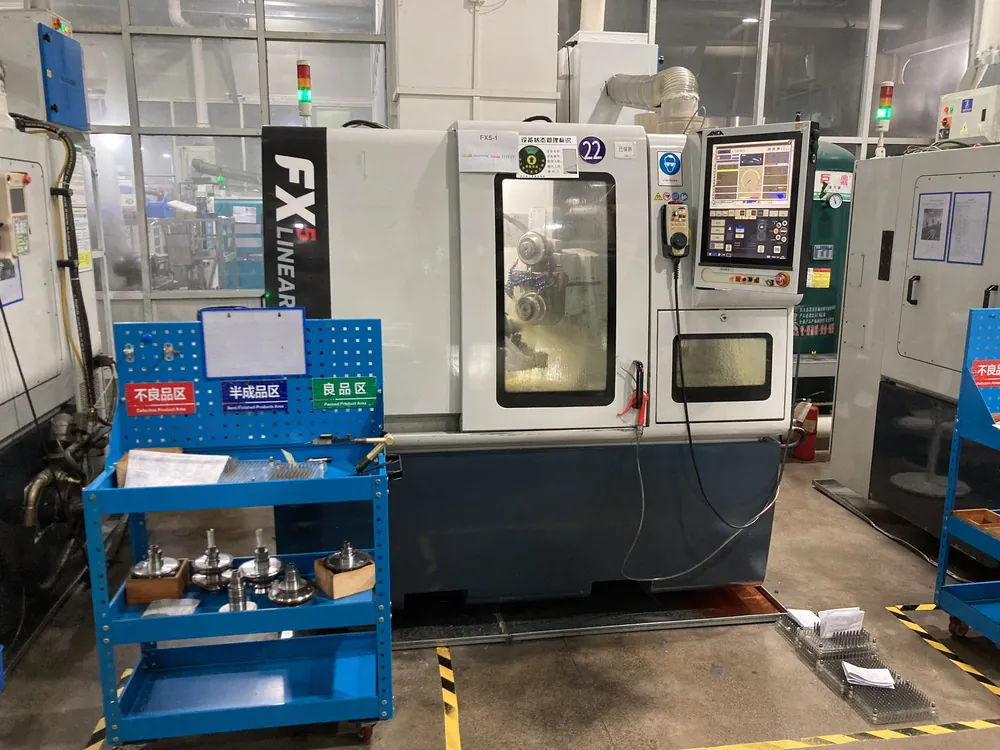
Five-axis CNC grinding forms the flutes and cutting profile. Precision grinding with a 1200-grit wheel produces the sharp cutting edges.
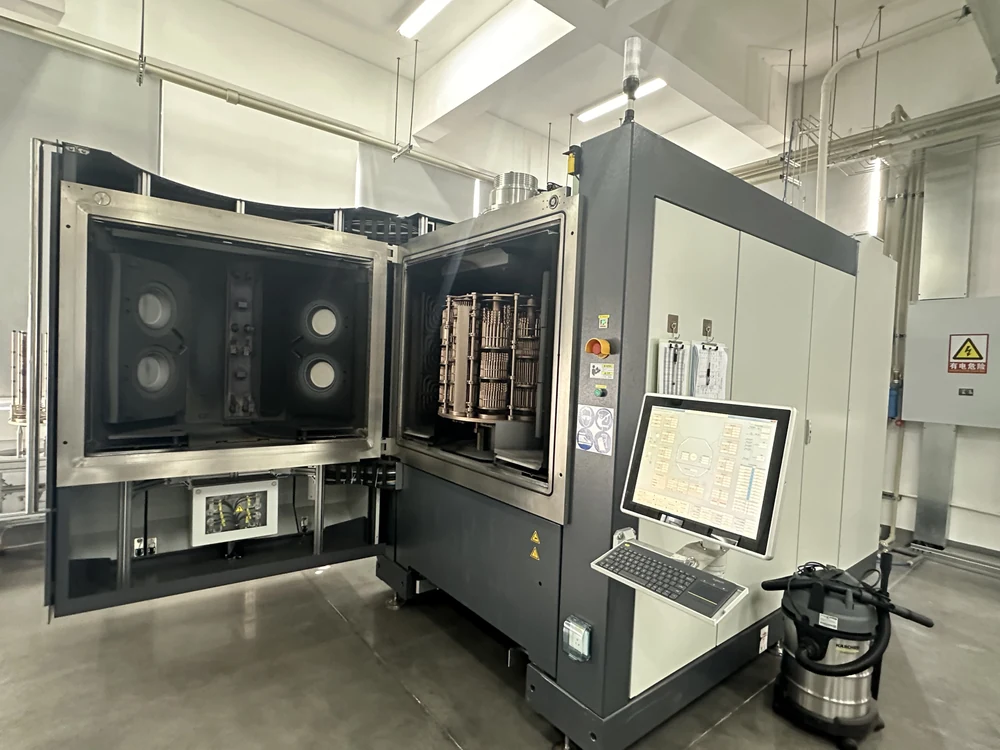
Our coating equipment supports carbide cutting tool production. Coating specifications follow the selected tool and machining task.
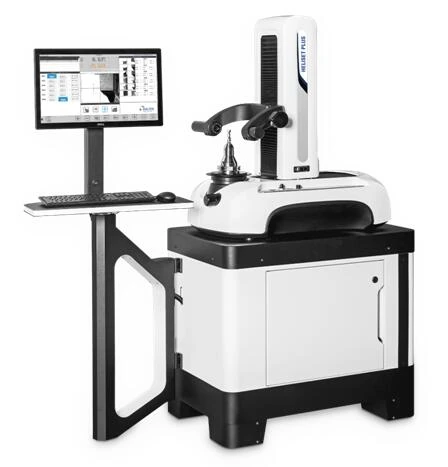
HELICHECK PLUS measurement checks tool profiles and radii. The aluminum range uses 50× microscopic inspection to check the cutting edges.
We manufacture aluminum end mills to drawing, including custom cutting lengths, neck clearances, corner radii and shank dimensions. Customer marking and private-label packaging are available.
Custom Tooling →Should I use a two-flute or three-flute end mill for aluminum?
Two flutes leave more chip space and are often useful in slots and enclosed pockets. Three flutes add a cutting edge and may suit open side milling. Engagement, diameter, reach and chip removal determine the choice; flute count alone does not establish suitability.
When is a single-flute end mill useful for aluminum?
A single-flute end mill provides a large chip space and may suit high-speed spindle applications, profiles and panels. The spindle speed, achievable feed, tool diameter and workpiece support must suit the tool.
Can ZHY supply end mills for 6061 and 7075 aluminum?
ZHY offers carbide end mills for 6000- and 7000-series aluminum, including 6061 and 7075 applications. Provide the alloy temper, operation, dimensions and finish requirements so the tool configuration can be matched to the job.
Are uncoated or DLC-coated end mills better for aluminum?
Both are available in the ZHY aluminum range. Uncoated tools offer a sharp polished cutting surface; DLC Rainbow is an optional coating. The exact alloy, lubrication and adhesion behavior determine which option suits the application.
Can I use four- or five-flute end mills for aluminum?
Higher flute counts can be used for selected aluminum operations, but they leave less space per flute. They are not the default choice for a full-width slot. Send the engagement and chip-removal conditions for an application-specific configuration.
Can you make long-reach aluminum end mills?
ZHY can manufacture custom cutting lengths, neck clearances, overall lengths and corner radii. A part drawing helps determine the shortest reach that clears the feature and holder.
What is needed for an aluminum end mill quotation?
Provide the cutter profile, flute count, diameter, cutting length, shank, overall length and quantity. Include the aluminum grade and temper, operation, coating preference and any corner-radius, reach or surface-finish requirements.