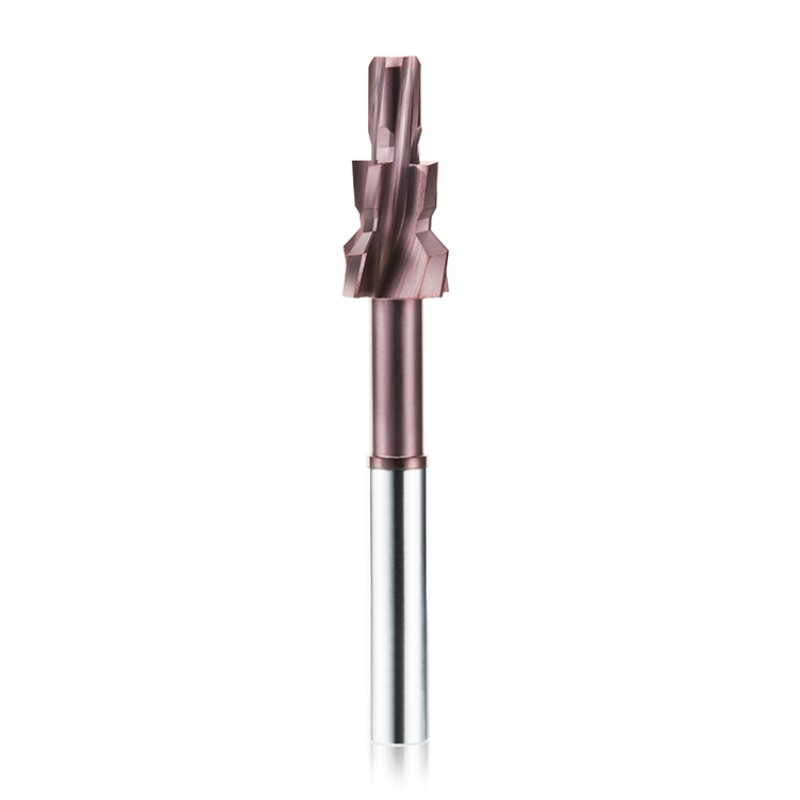
Custom Solid Carbide Form End Mill
Drawing-based carbide cutter combining steps, shoulders, grooves, chamfers and special profiles into one machining solution.
View Tool DetailsZHY develops drawing-based custom carbide end mills and special milling cutters according to component geometry, machining features and production requirements.
Custom cutters designed for components requiring special contours, radii, grooves, steps and combined machining features.
Drawing-based carbide cutter combining steps, shoulders, grooves, chamfers and special profiles into one machining solution.
View Tool Details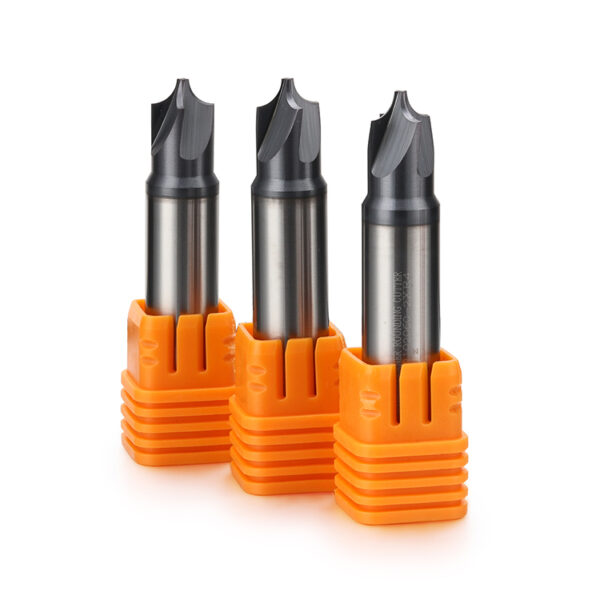
Designed for controlled external radii, rounded edges and repeatable profile transitions in precision machining.
View Tool Details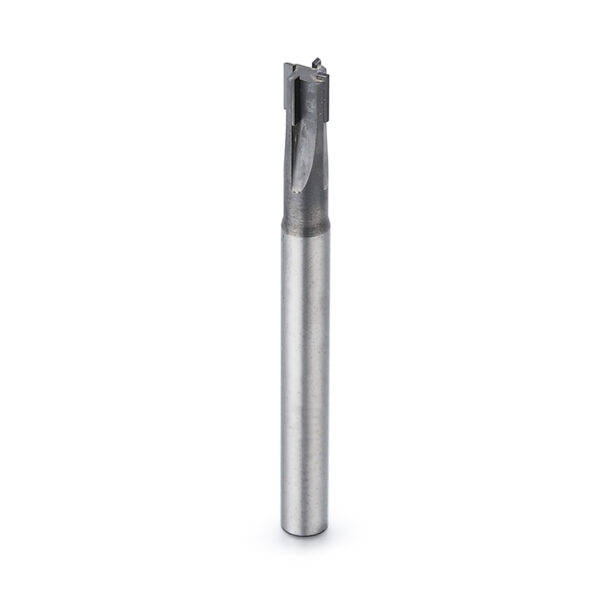
Drawing-based PCD tooling solution for aluminum, non-ferrous materials and high-volume profile machining.
View Tool DetailsCustom cutters designed for difficult machining areas including undercuts, deep contours and complex 3D surfaces where standard end mills cannot reach.
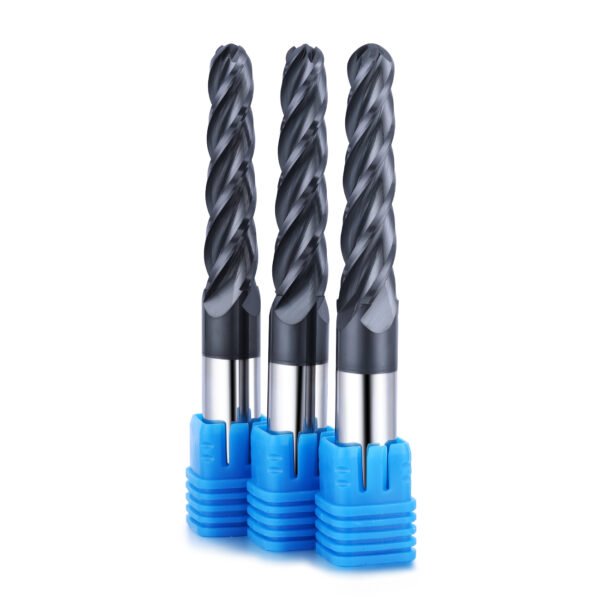
Designed for continuous 3D contour machining, tapered walls and complex aerospace components requiring stable cutting contact.
View Tool Details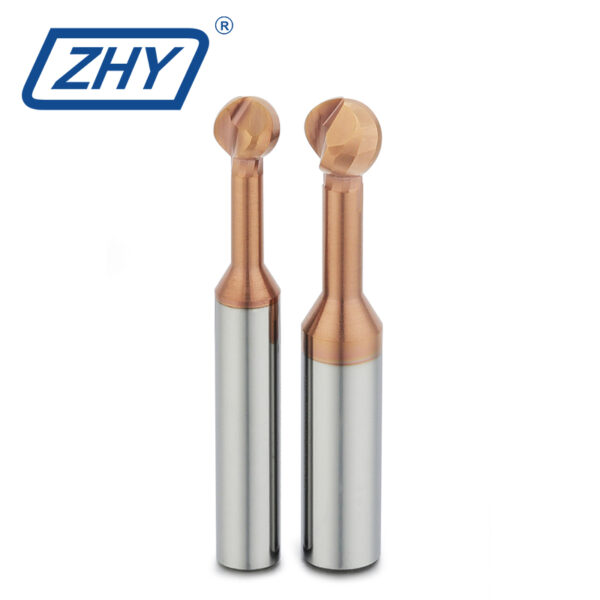
Spherical-head cutter for undercut machining, back-side features, recessed surfaces and multi-axis contour applications.
View Tool DetailsApplication-focused carbide cutters developed for dedicated machining operations including grooves, threads, chamfers and precision edge features.
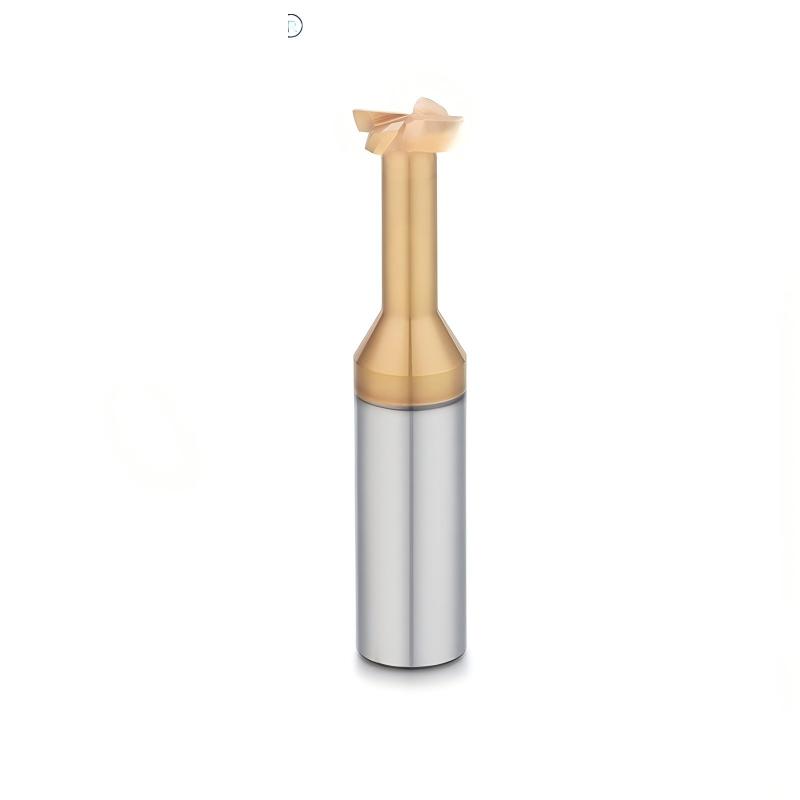
Designed for T-slots, undercut grooves and recessed features with customized head diameter, neck geometry and cutting dimensions.
View Tool Details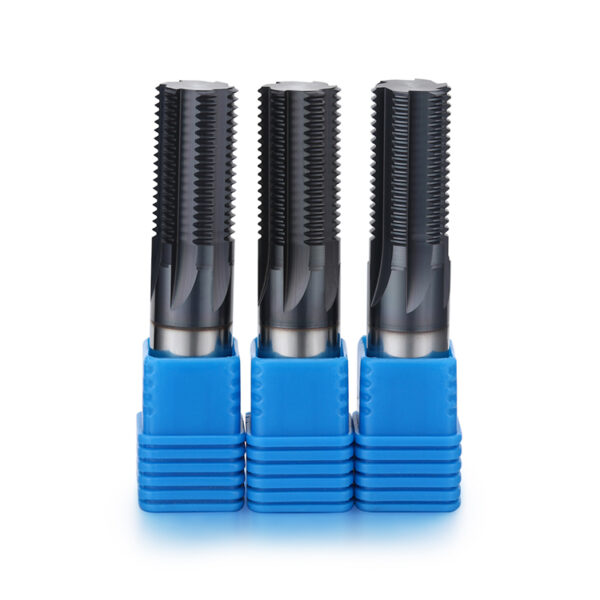
Multi-tooth carbide thread mill for precision internal threads using CNC helical interpolation in blind and through holes.
View Tool Details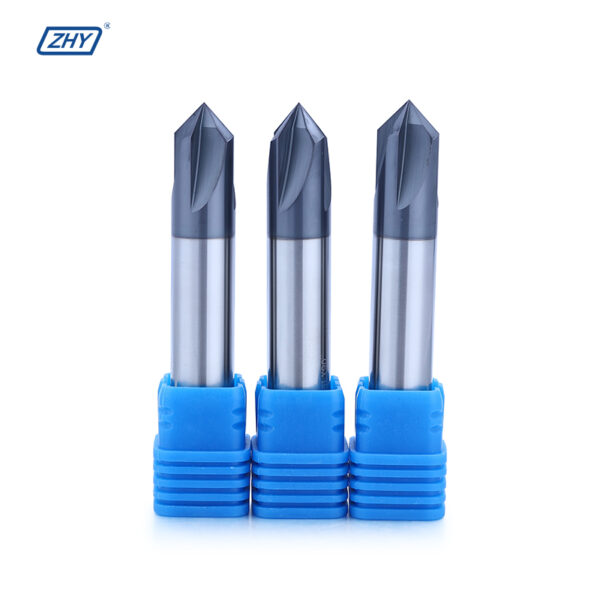
Carbide cutter for edge chamfering, deburring, hole-entry features and V-grooves with standard and custom angle options.
View Tool DetailsCustom milling solutions developed for improving material removal efficiency, machining stability and finished edge quality in production environments.
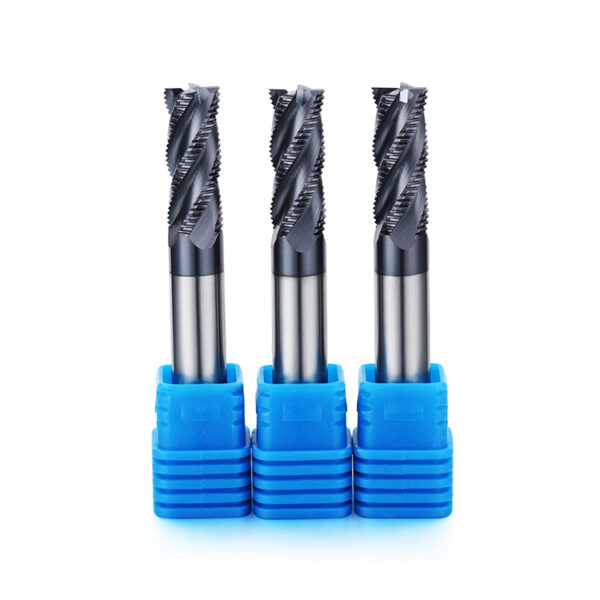
Coarse-serrated carbide rougher designed for efficient stock removal, cavity roughing, pocketing and heavy machining applications.
View Tool Details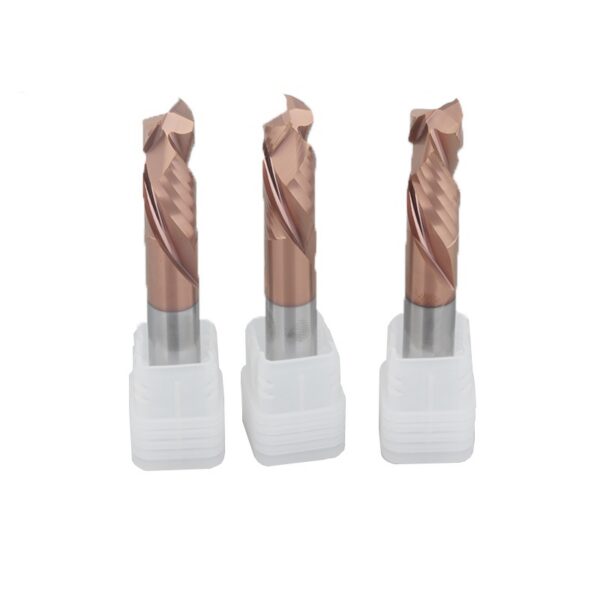
Opposite helix cutter combining upcut and downcut sections to control top and bottom edge quality during full-depth machining.
View Tool DetailsFrom tool design and precision grinding to inspection and repeat production, ZHY provides complete custom carbide end mill manufacturing solutions for demanding CNC machining applications.
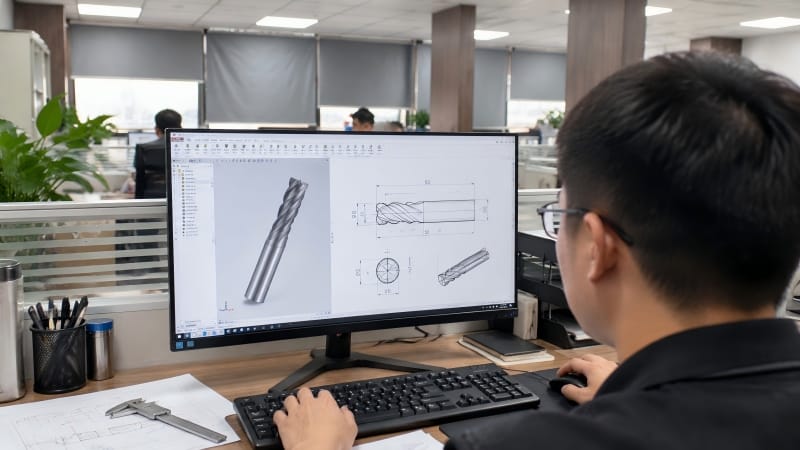
ZHY develops custom carbide end mills based on customer drawings, component geometry and machining requirements. Tool structure, flute design and cutting geometry are optimized for specific applications.
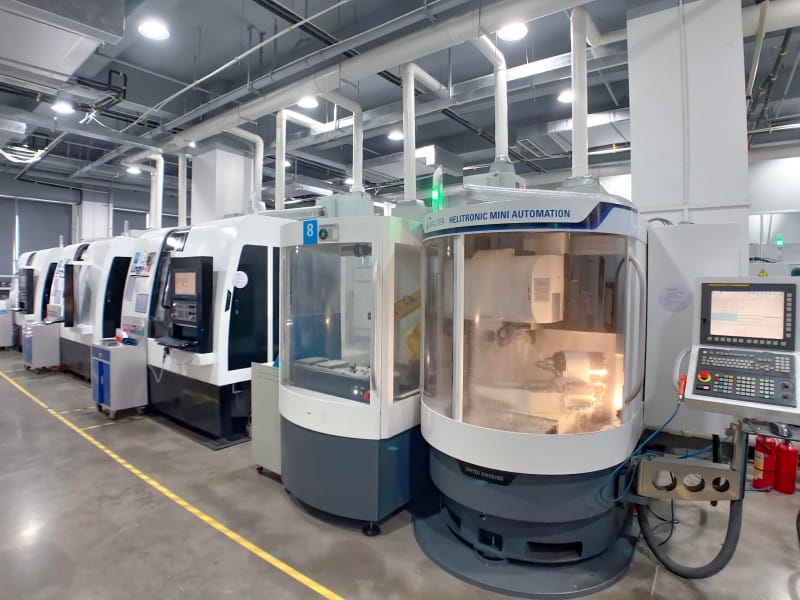
Advanced grinding equipment ensures accurate tool geometry, consistent cutting edges and stable performance during custom carbide end mill production.
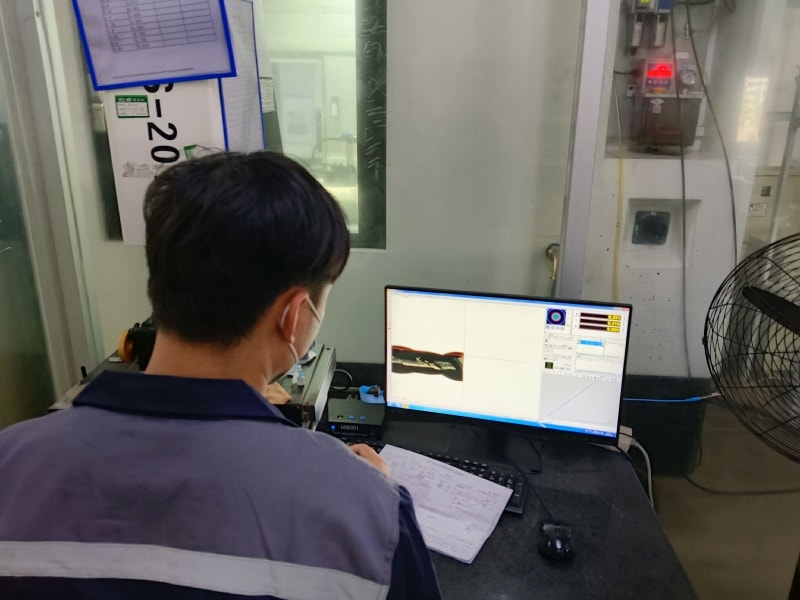
Each custom tool is inspected for critical dimensions, geometry accuracy and manufacturing consistency before delivery.
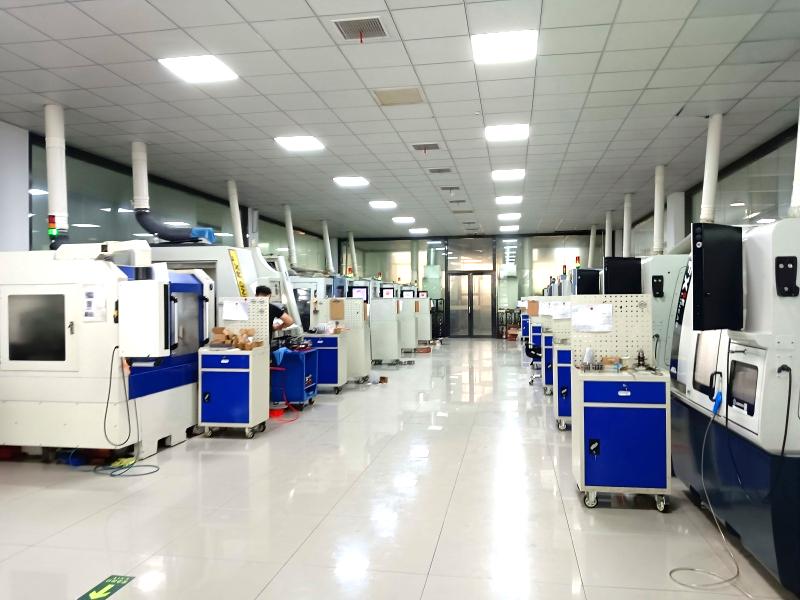
ZHY supports prototype development, machining verification and repeat production to meet long-term OEM custom tooling requirements.
ZHY develops custom carbide end mills for different industries and precision machining applications based on component requirements.
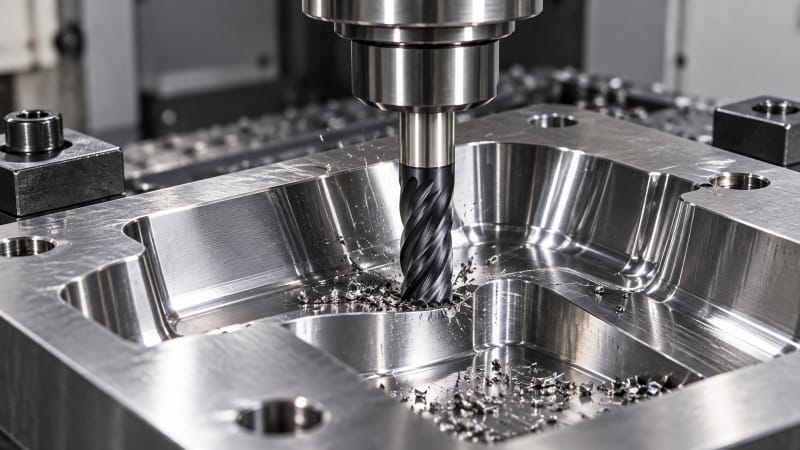
Custom end mills for mold cavities, deep pockets, complex surfaces and precision contour machining.
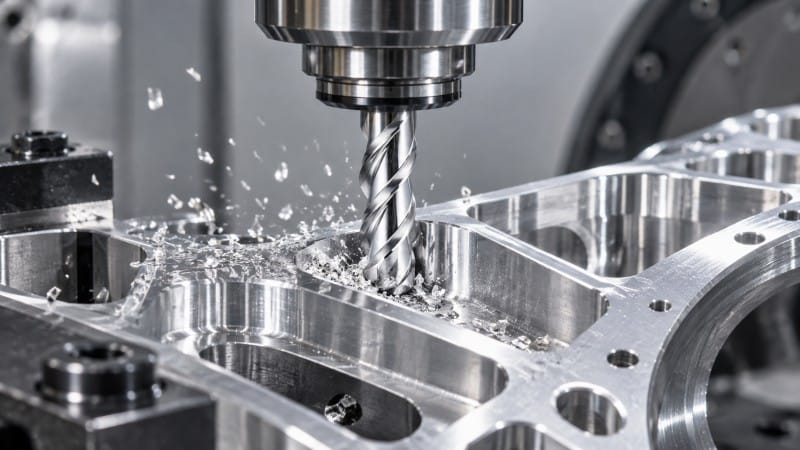
Special milling solutions for lightweight alloys, complex geometries and high-precision aerospace parts.
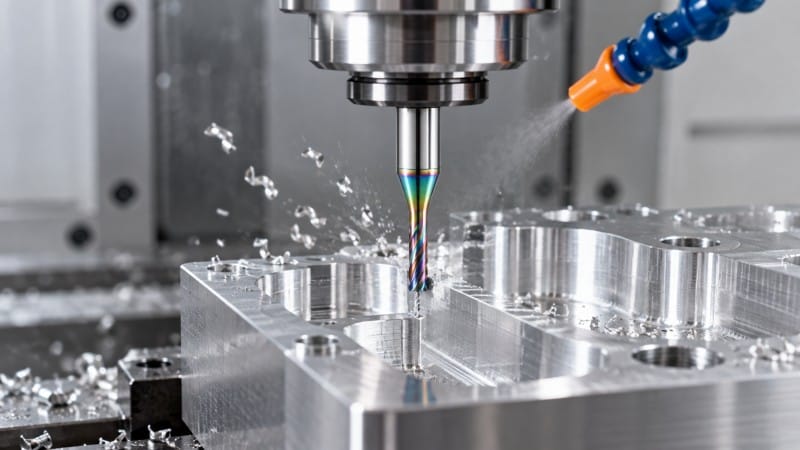
Custom cutting tools designed for efficient aluminum machining with stable performance and quality surfaces.
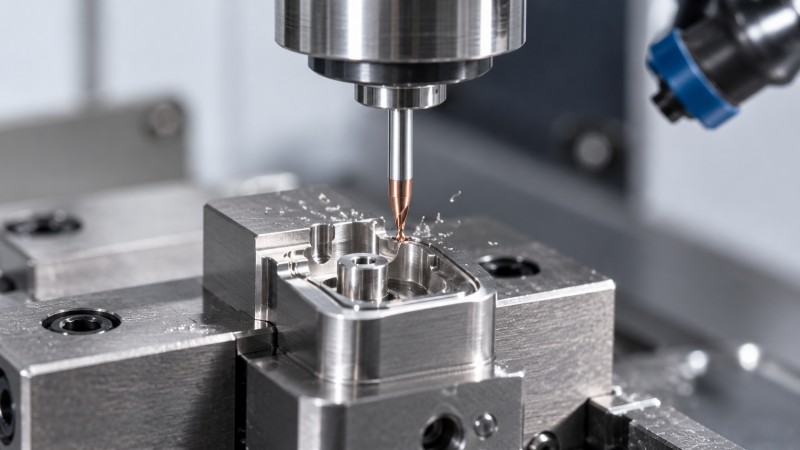
Customized carbide tools for medical, optical and other precision parts requiring tight machining control.