Category: Tool Knowledge

How to Choose End Mill Diameter, Cutting Length and Overall Length

August 28, 2026 By zhycnctool

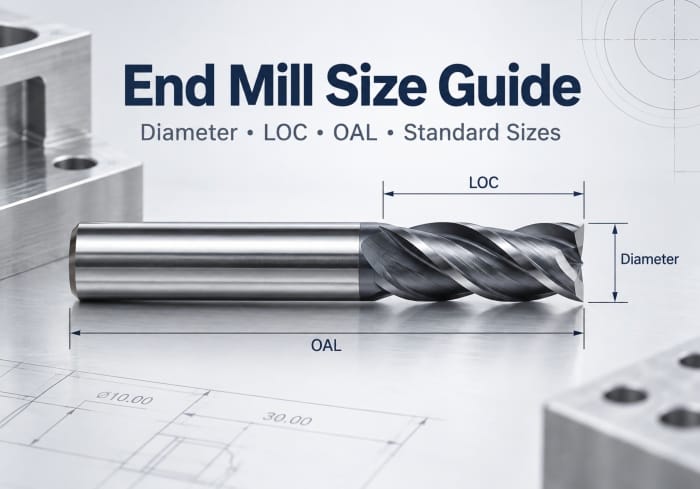
End mill dimensions affect far more than whether a cutter physically fits the part. Diameter influences rigidity and feature accessibility, cutting length affects both reach and tool strength, while neck length, overall length and actual tool overhang determine whether the cutter can reach deep features without creating unnecessary deflection. Understanding these dimensions helps machinists and buyers select a carbide end mill that matches both the component geometry and the machining conditions.

Why Does Aluminum Stick to End Mills? Causes and Solutions

August 18, 2026 By zhycnctool

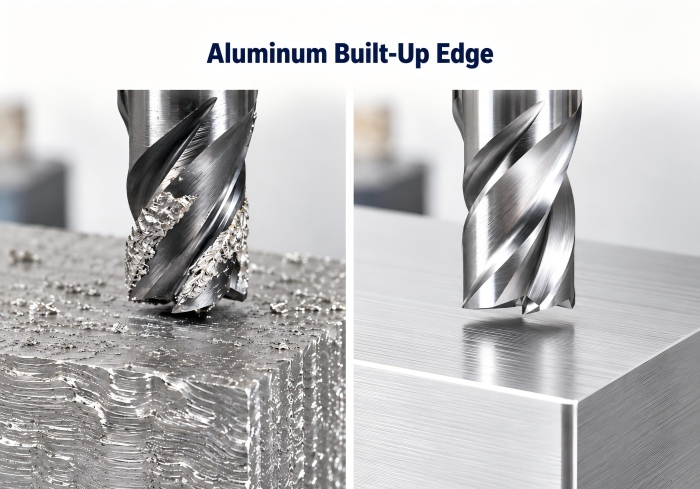
Aluminum is generally considered easy to machine, but its tendency to adhere to the cutting edge can create built-up edge, poor chip evacuation and unstable surface quality. This guide explains why aluminum sticks to carbide end mills and how tool geometry, flute finish, chip space, cutting conditions and coating selection affect the problem.

Why Do Carbide End Mills Break? Common Causes and Solutions

August 14, 2026 By zhycnctool

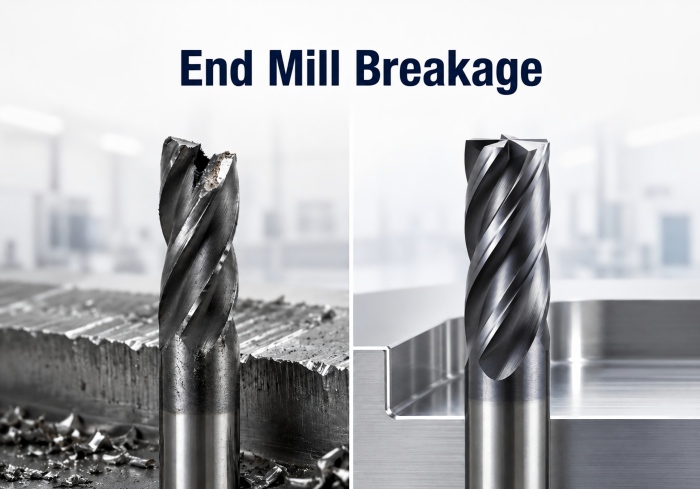
Carbide end mill breakage is rarely random. Mechanical overload, poor rigidity, chip recutting, runout, cutting-edge wear and unsuitable tool geometry can combine until the tool can no longer withstand the cutting load. This guide explains the main failure patterns and practical ways to reduce premature end mill breakage.

How to Choose End Mill Coatings for Different Materials

August 13, 2026 By zhycnctool

End mill coating selection should match the workpiece material, cutting temperature, chip behavior and machining operation. This guide explains how common and material-specific coatings affect wear resistance, heat control, friction and material adhesion, with practical selection guidance for aluminum, steel, stainless steel, mold steel, titanium, hardened steel and graphite.

Why Do Carbide End Mills Chatter? Causes and Solutions

August 12, 2026 By zhycnctool

End mill chatter can leave vibration marks, reduce surface quality and accelerate cutting-edge wear. This guide explains the main causes of chatter in CNC milling and shows how tool overhang, workholding, cutting parameters, flute geometry, runout and chip evacuation can be adjusted to improve machining stability.

2-Flute vs 3-Flute vs 4-Flute End Mills: How to Choose

July 29, 2026 By zhycnctool

Flute count affects chip space, tool-core strength, cutting-edge engagement and machining stability. This guide compares 2-flute, 3-flute and 4-flute carbide end mills and explains how to select a practical configuration according to workpiece material, slotting, side milling, pocket machining, finishing and chip-evacuation conditions.

How to Choose Carbide End Mills by Workpiece Material

July 10, 2026 By zhycnctool

Workpiece material directly affects carbide end mill geometry, coating, chip evacuation, cutting stability and tool life. This guide explains how to select suitable square, ball nose, corner radius and custom end mills for carbon steel, mold steel, hardened steel, stainless steel, titanium, aluminum and graphite machining.