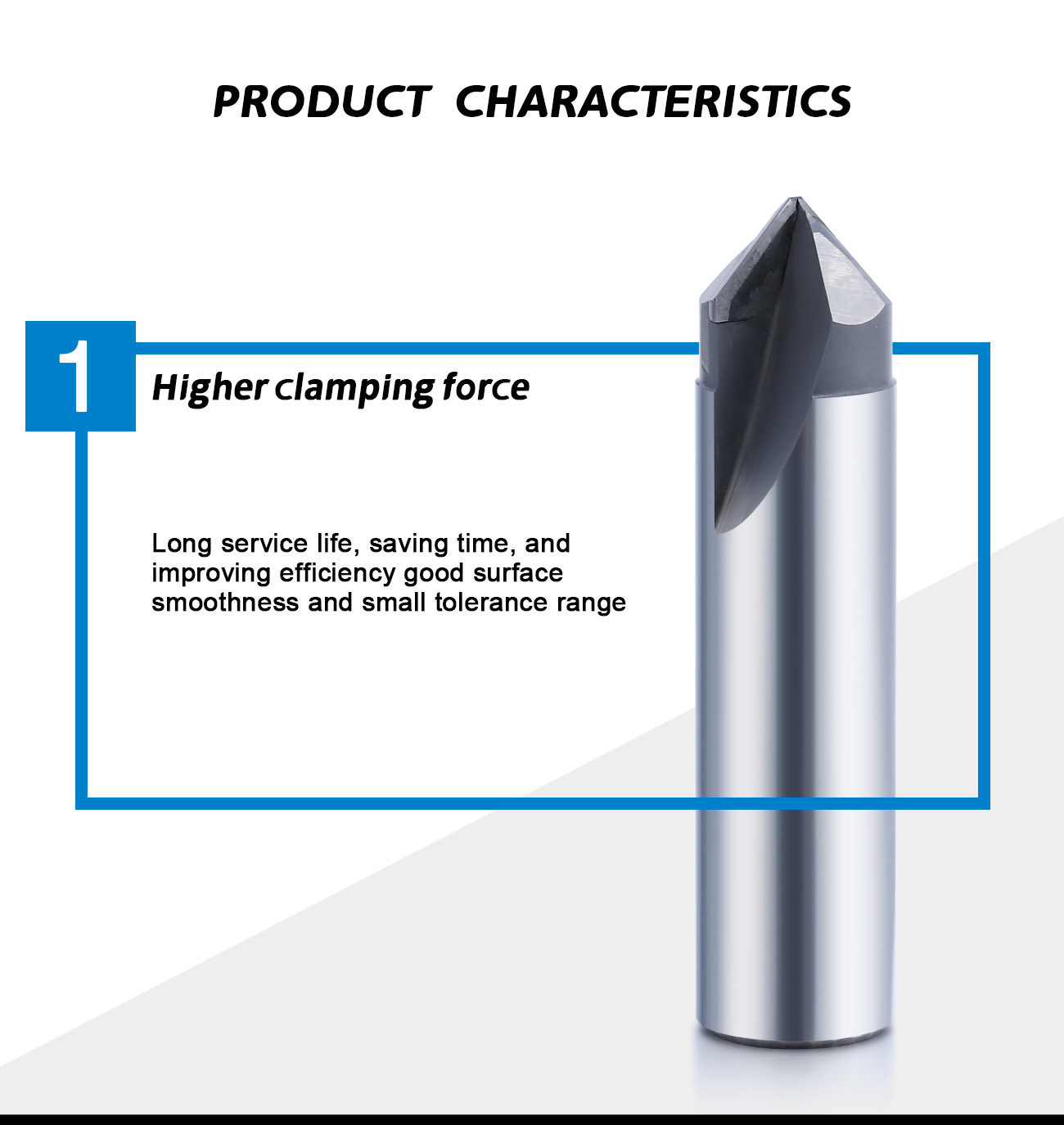
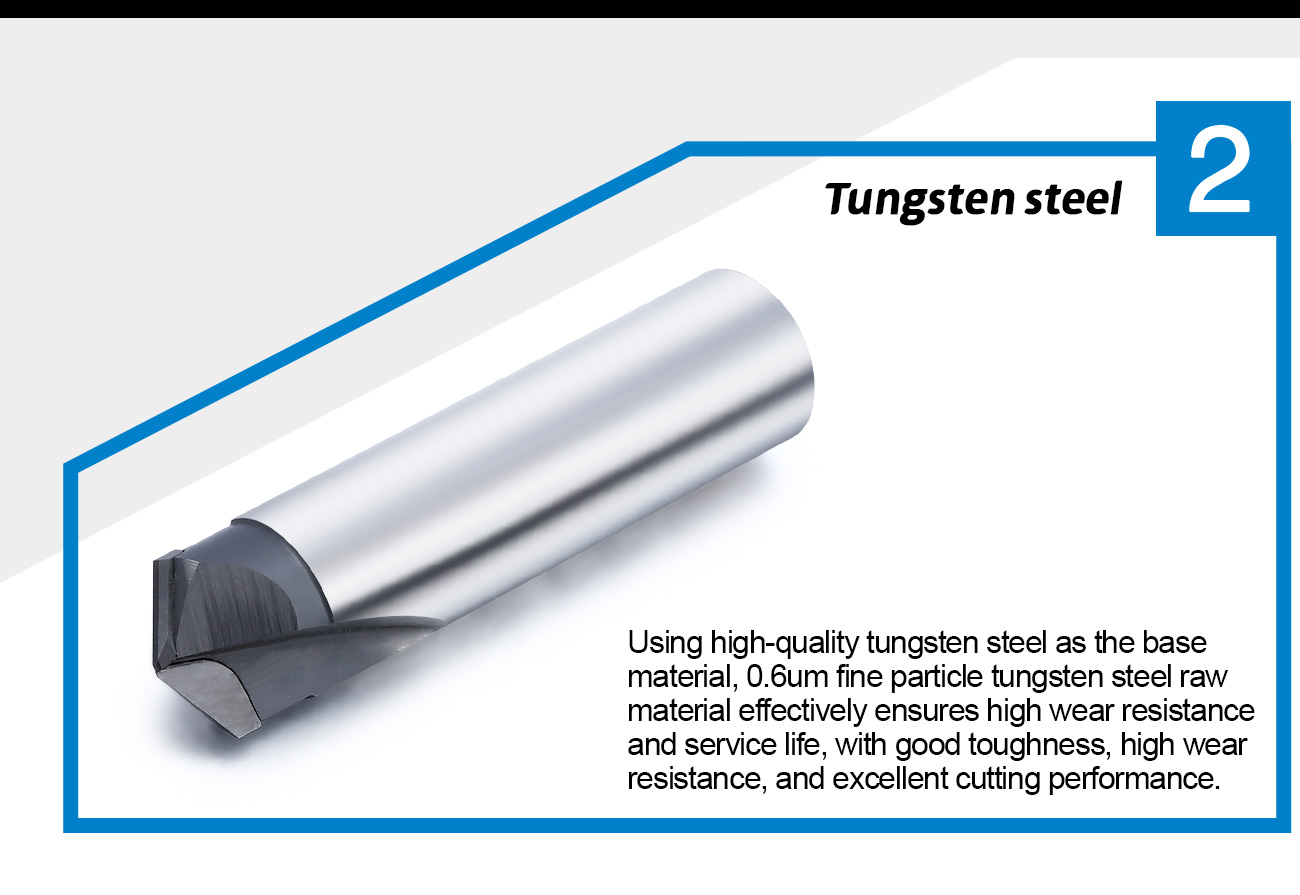
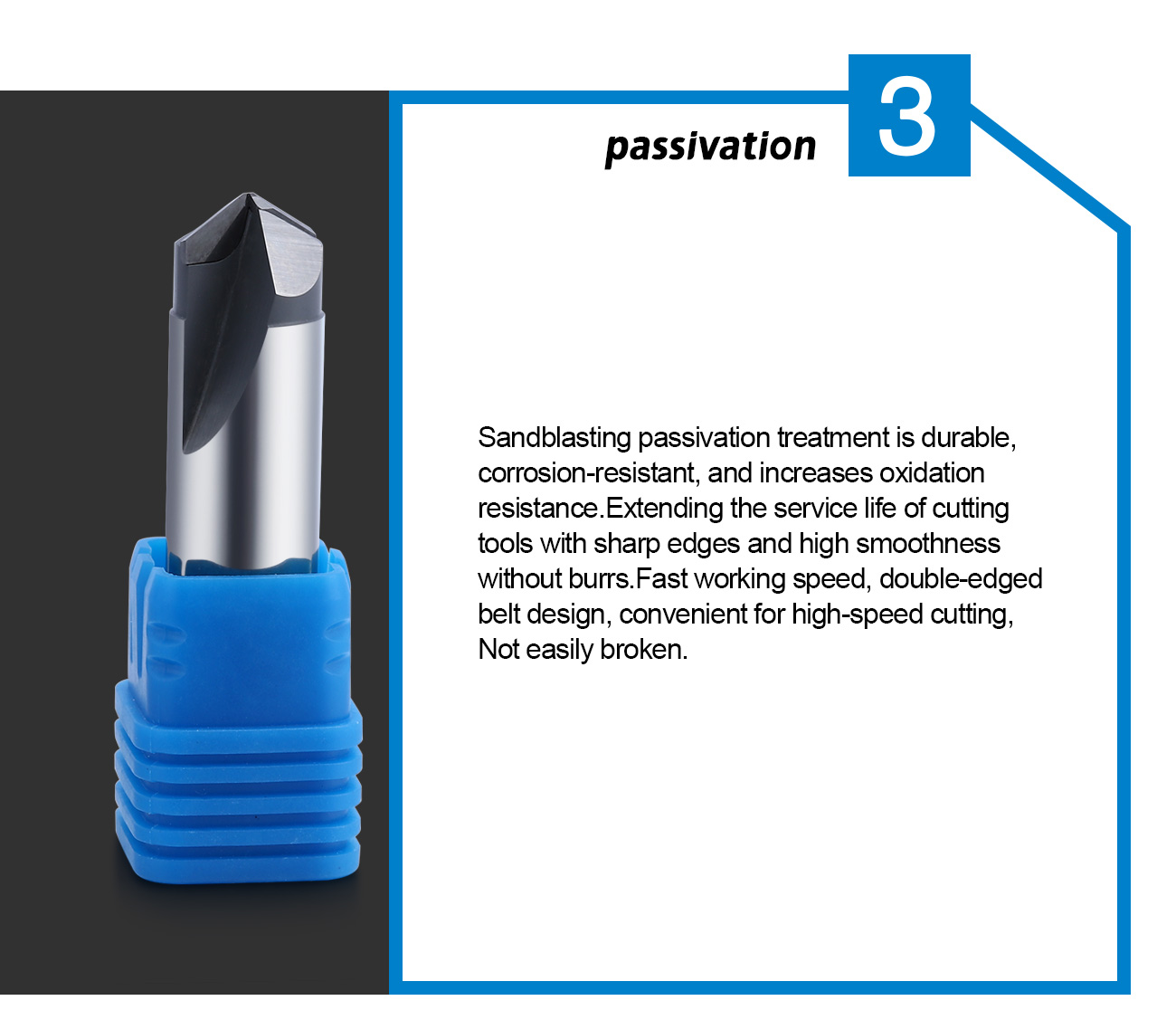
Solid PCD Chamfer Cutter for Aluminum and Composites


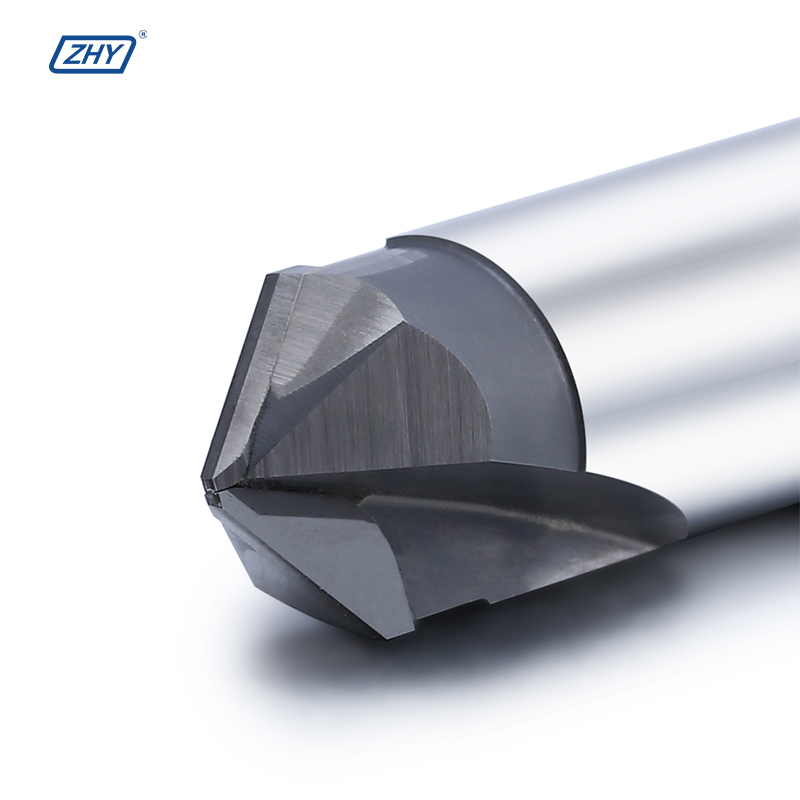
Solid PCD chamfer cutter designed for precision chamfering, edge deburring, beveling and countersink-style features in aluminum, high-silicon aluminum, graphite and composite materials.

  • PCD cutting edges for abrasive non-ferrous and composite materials
  • Custom chamfer angle, tip diameter and cutting width available
  • Suitable for edge chamfering, deburring and bevel features
  • Drawing-based prototype, repeat-order and OEM production available


Request a Quote

Description


Product Overview

This solid PCD chamfer cutter is designed for precision chamfering, edge deburring, beveling and countersink-style features in aluminum, high-silicon aluminum, graphite and composite materials.

The PCD cutting edges provide high wear resistance and help maintain a consistent chamfer angle and edge profile during repeat and batch machining.

Chamfer angle, major diameter, tip diameter, cutting width, shank diameter, overall length and cutting-edge configuration can be customized according to the component drawing and machining requirements.

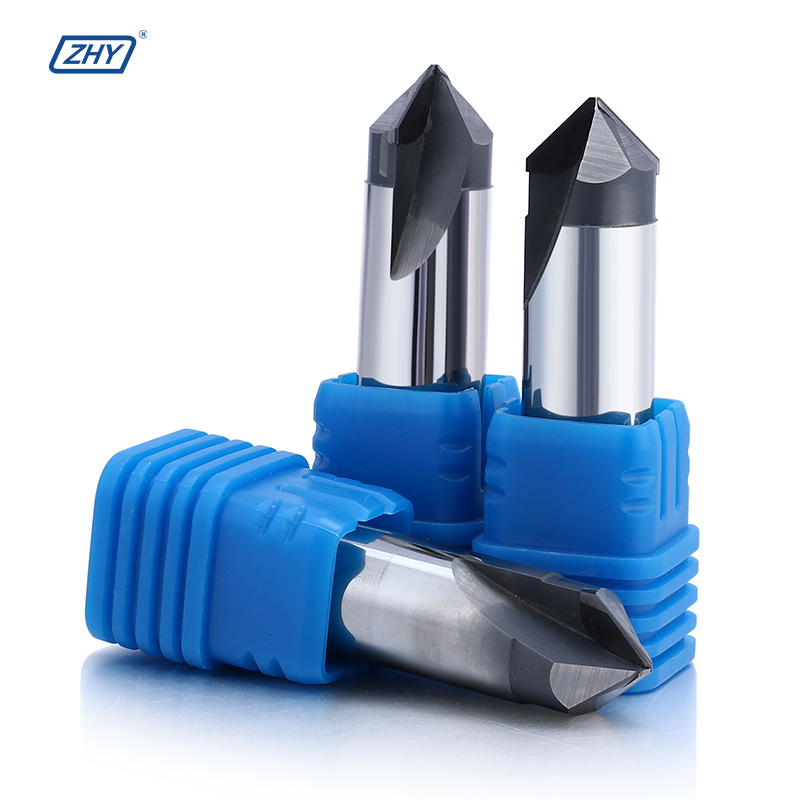
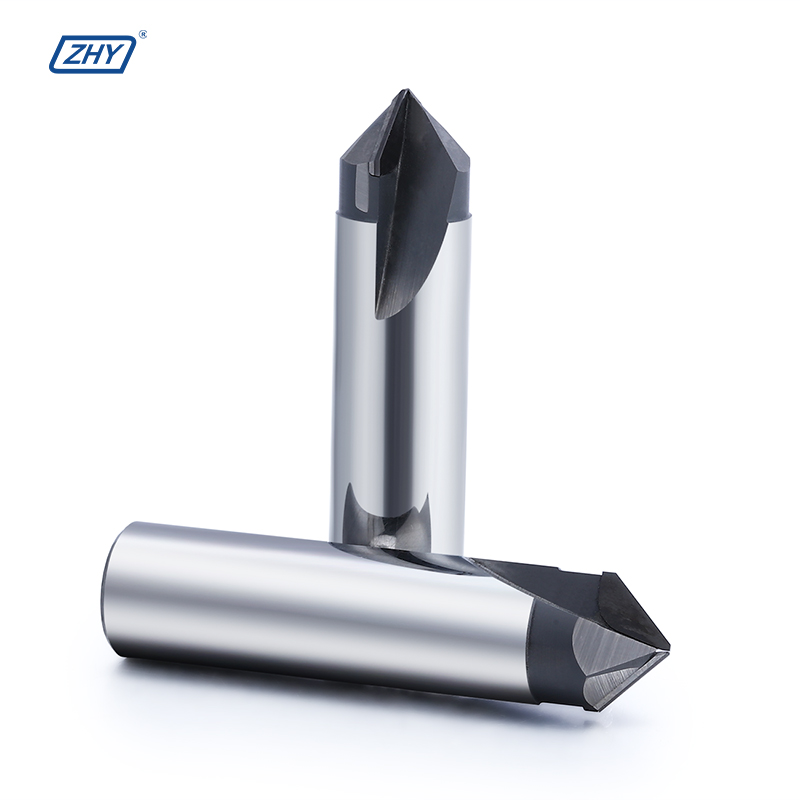
Solid PCD chamfer cutter for aluminum and composite machining


Recommended Chamfering Applications

Edge Chamfering

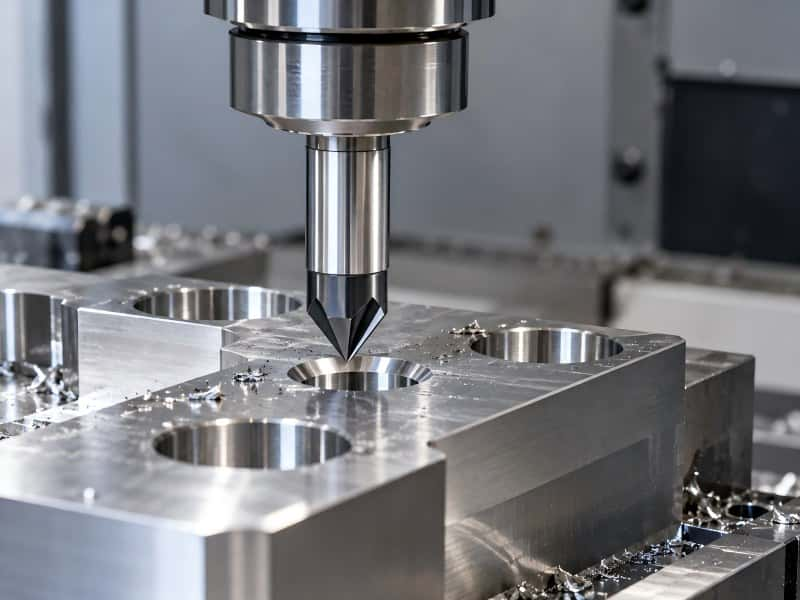
Suitable for producing controlled chamfers on component edges before assembly, finishing or further processing.

Deburring

Suitable for removing sharp edges and light burrs while maintaining a defined edge geometry.

Bevel & Angle Features

Custom cutter angles can be developed for bevels, angled edges and non-standard chamfer profiles.

Countersink-Type Features

Suitable for selected countersink-style and recessed angled features where the tool geometry matches the component design.


Why Use PCD for Chamfering?

High Wear Resistance

PCD cutting edges are well suited to abrasive aluminum alloys, graphite and composite materials where conventional carbide can wear more rapidly.

Stable Chamfer Angle

Strong cutting-edge retention helps maintain the specified chamfer angle over longer production runs.

Clean Edge Quality

Sharp PCD edges support clean chamfer surfaces and controlled edge definition in suitable non-ferrous and non-metallic materials.

Repeat-Production Consistency

PCD is suitable for applications where chamfer dimensions and edge quality must remain consistent across repeat and batch production.


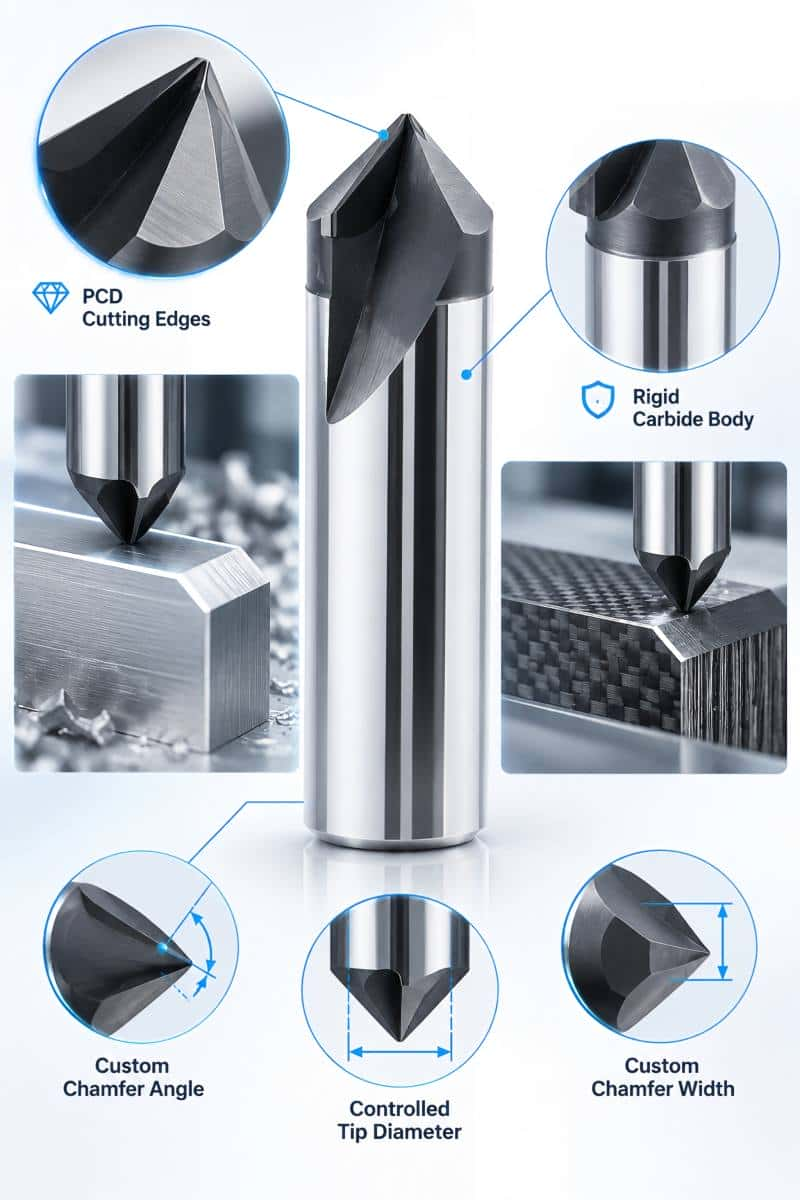
PCD Chamfer Geometry & Cutting Performance

PCD chamfer cutter geometry for aluminum and composite machining


PCD Cutting Edges

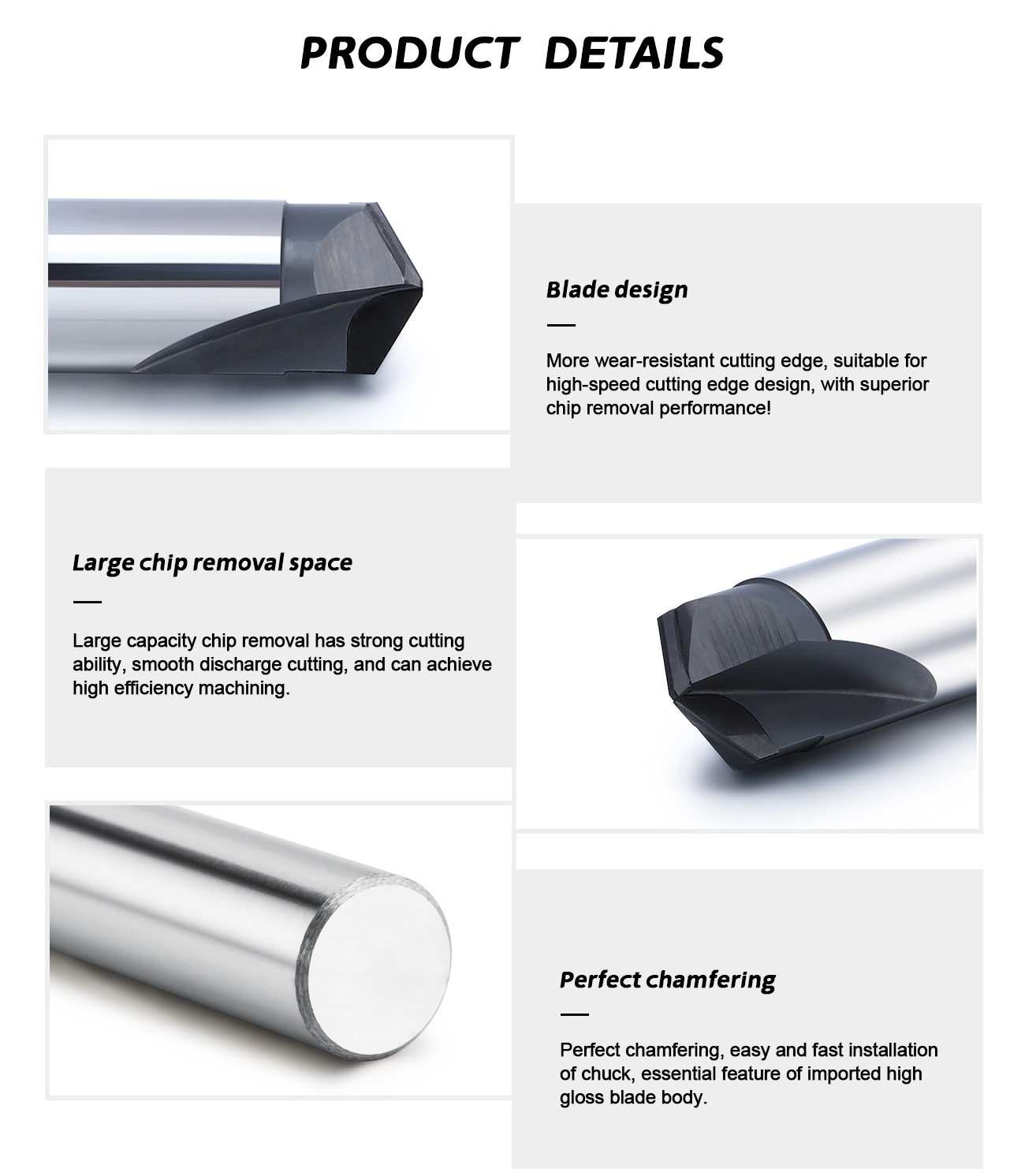
PCD cutting edges provide sharp cutting action and wear resistance for abrasive non-ferrous and composite materials.


Rigid Carbide Tool Body

The carbide body provides structural support for the PCD cutting section and helps maintain dimensional stability during chamfering.


Custom Chamfer Angle

The cutting profile can be developed according to the required chamfer or bevel angle shown on the component drawing.


Controlled Tip Diameter

Tip diameter can be adjusted according to the required feature size, tool access and chamfer depth.


Custom Chamfer Width

Axial cutting width can be matched to the required edge geometry and component feature dimensions.


Application-Specific Edge Configuration

Cutting-edge quantity and cutting direction can be selected according to material, chamfer width and machining conditions.


PCD Chamfer Cutter vs Carbide Chamfer End Mill


Attribute

PCD Chamfer Cutter

Carbide Chamfer End Mill
Best-Suited Materials Aluminum, high-silicon aluminum, graphite and abrasive composites General metals and broader material ranges depending on carbide grade
Wear Resistance Very high in suitable non-ferrous and non-metallic applications Application dependent
Production Focus Repeat production and long dimensional consistency General-purpose or lower-volume machining
Customization Drawing-based chamfer angle and PCD profile Standard and custom carbide geometry


Recommended Workpiece Materials

Aluminum & High-Silicon Aluminum

Suitable for edge chamfering and deburring where long cutting-edge life and consistent angle geometry are required.

Graphite

PCD wear resistance is suitable for abrasive graphite applications requiring repeatable chamfer dimensions.

CFRP & GFRP

Suitable geometry can be developed for selected fiber-reinforced composite edge-finishing applications.

Selected Non-Ferrous & Engineering Plastics

Selected materials can be evaluated according to angle geometry, edge quality and chip-evacuation requirements.


Copper, magnesium and other non-ferrous materials should be evaluated according to cutting speed, chamfer geometry and chip evacuation conditions.


Custom Configuration Options


PCD chamfer cutters can be developed according to component edge geometry and machining requirements.

Chamfer Angle Custom
Major Diameter Custom
Tip Diameter Custom
Chamfer / Cutting Width Custom
Cutting Length Custom
Shank Diameter Standard / Custom
Overall Length Custom
Cutting-Edge Quantity Application-Based
Cutting Direction Application-Based
OEM Service Laser Marking / Model Number / Private Label / Packaging


Recommended Chamfering Setup

Confirm Angle & Chamfer Width

Verify the programmed tool position according to the specified chamfer angle and required edge width.

Use Low-Runout Toolholding

Rigid toolholding and controlled runout help maintain consistent chamfer geometry and cutting-edge engagement.

Control Cutting Engagement

Avoid excessive radial engagement or abrupt loading of the PCD cutting section.

Minimize Tool Overhang

Use only the reach required by the component to reduce unnecessary vibration and deflection.

Maintain Chip Evacuation

Use suitable air blast, extraction or another chip-removal method according to the workpiece material and machining environment.


Confirm the actual tip and end geometry before programming plunge or center-cutting moves.


From Component Drawing to Custom Chamfer Tool


Component geometry and machining conditions are reviewed together to confirm the required chamfer profile and tool dimensions.


Component Information

  • 2D drawing or 3D model
  • Required chamfer angle
  • Chamfer width or depth
  • Tip and major diameter requirements
  • Workpiece material
  • Edge tolerance and finish requirement


Machining Information

  • Machine and spindle condition
  • Toolholder and runout
  • Available tool access
  • Required tool reach
  • Chip evacuation method
  • Expected quantity


Custom Tool Development Process

STEP 01

Drawing Review

Review the component edge, material and required chamfer geometry.

STEP 02

Geometry Analysis

Confirm chamfer angle, tip diameter, cutting width and available tool access.

STEP 03

Tool Design

Develop the PCD cutting profile, tool body and overall dimensions.

STEP 04

Drawing Confirmation

Confirm the proposed cutter geometry before production.

STEP 05

Production & Inspection

Produce and inspect the initial cutter against the approved tool drawing.

STEP 06

Repeat Production

Support repeat-order, batch and OEM production after geometry confirmation.


Manufacturing & Quality Control


PCD Chamfer Cutter Production


After the cutter drawing is confirmed, production follows the approved angle, profile and dimensional requirements to support prototype, repeat-order, batch and OEM supply.

✓ Prototype production ✓ Drawing-controlled manufacturing
✓ Custom angle & profile production ✓ Batch consistency control
✓ Repeat-order production ✓ OEM laser marking & private label

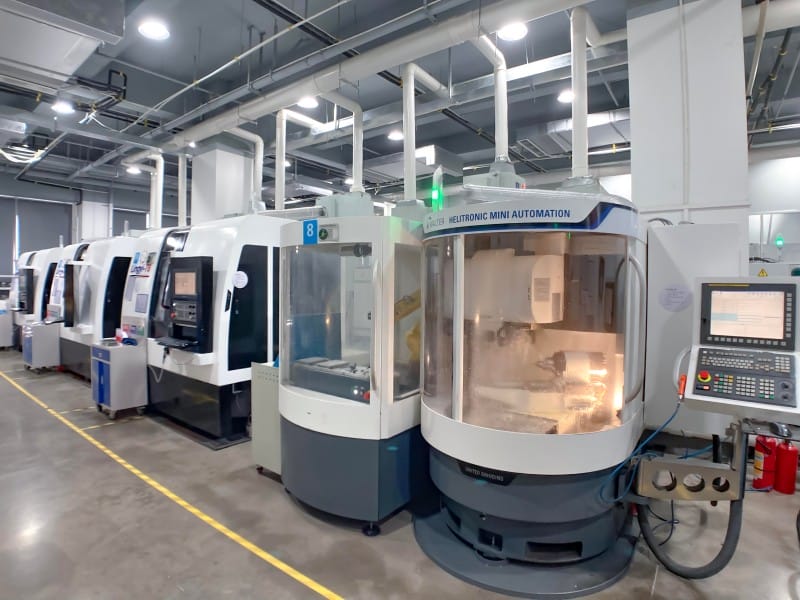
PCD chamfer cutter manufacturing at ZHY


Manufacturing Capability


EXPERIENCE

20+ Years

Cutting Tool Manufacturing


Experience in standard, custom and OEM cutting tools for industrial machining applications.


EQUIPMENT

Walter / ANCA / Deckel

Precision Manufacturing Equipment


Precision equipment supports controlled tool-body geometry and repeatable custom-tool manufacturing.


CONTROL

Drawing-Controlled Production

Repeatable Chamfer Geometry


Approved drawings and production records support consistent chamfer geometry for repeat and batch orders.


Inspection & Quality Control


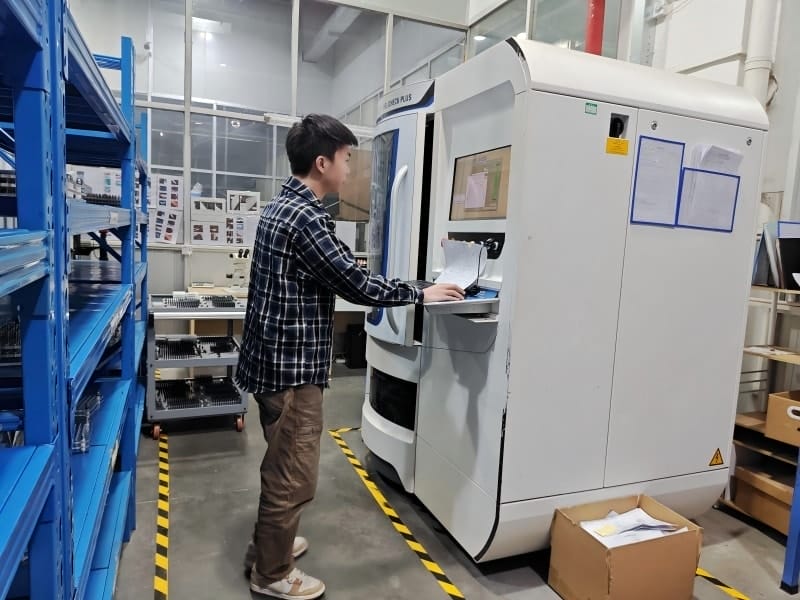
Finished PCD chamfer cutters are inspected against the approved drawing, with focus on chamfer angle, tip diameter, major diameter, cutting width and PCD cutting-edge condition.

PCD chamfer cutter inspection and quality control


INSPECTION EQUIPMENT

HELICHECK PLUS

Chamfer Profile & Dimensional Inspection


High-magnification inspection is used to evaluate chamfer geometry, critical dimensions and PCD cutting-edge condition before shipment.

Chamfer Angle

The cutting angle is checked against the confirmed tool drawing.

Tip & Major Diameter

Critical diameters are inspected to support repeatable chamfer dimensions.

PCD Cutting Edge

PCD cutting-edge condition is inspected before final approval.

Batch Consistency

Inspection records support consistent geometry for repeat-order and OEM production.


PCD Chamfer Cutter FAQ


What is a PCD chamfer cutter used for?

It is used for precision chamfering, deburring, beveling and selected countersink-style features in suitable non-ferrous and composite materials.


Can the chamfer angle be customized?

Yes. Chamfer angle, major diameter, tip diameter, cutting width and overall tool geometry can be developed according to the component drawing.


Is PCD suitable for aluminum chamfering?

Yes. PCD is especially suitable for aluminum and high-silicon aluminum where long edge life and consistent chamfer geometry are required.


Can the cutter be used for deburring as well as chamfering?

Yes. When the cutting angle and tool geometry match the application, the same type of cutter can be used for controlled edge deburring and chamfer formation.
Need a Custom PCD Chamfer Cutter?

Send us your component drawing, workpiece material, chamfer angle, tip diameter and required edge dimensions. We can evaluate the suitable PCD cutter geometry.


Request a Custom Tool Quote   →