Description
Product Overview
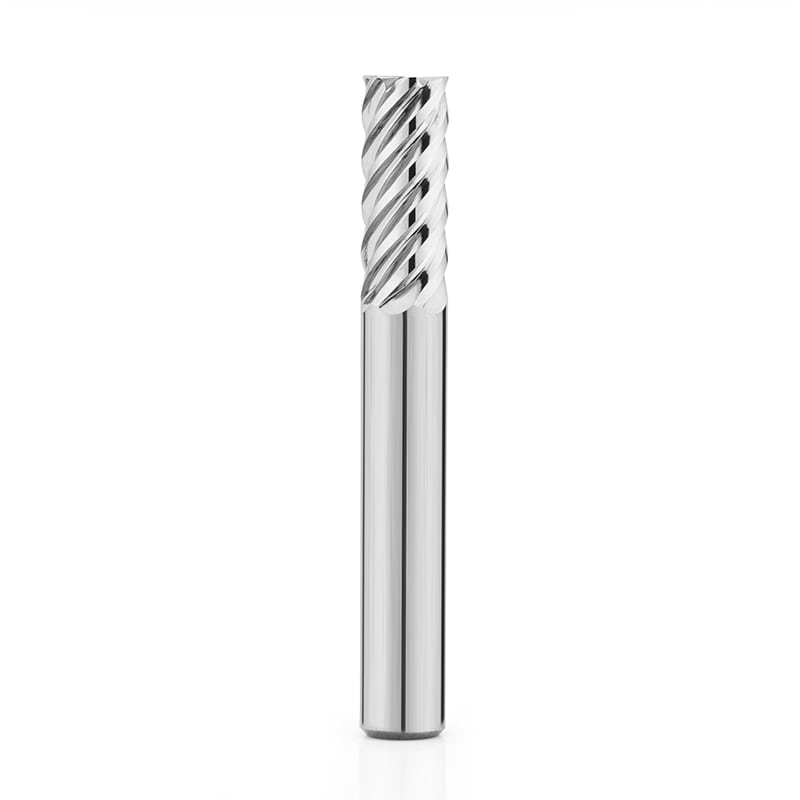
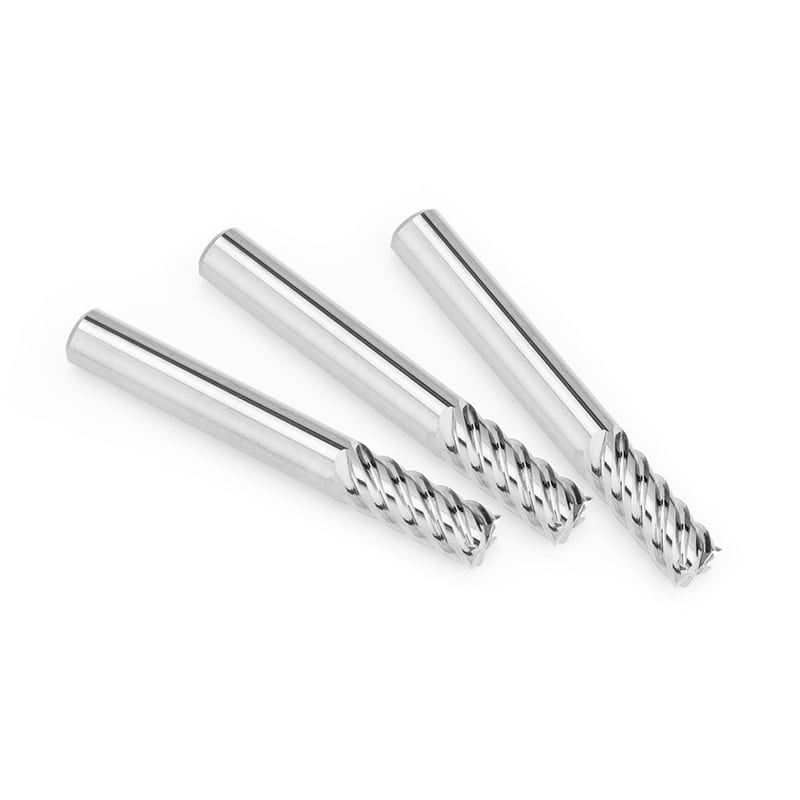
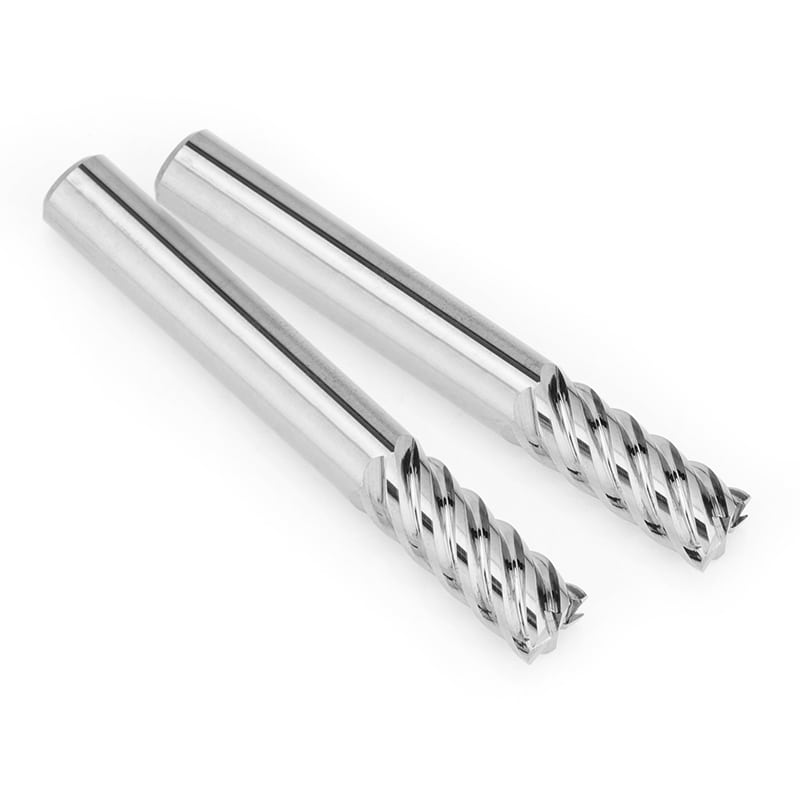
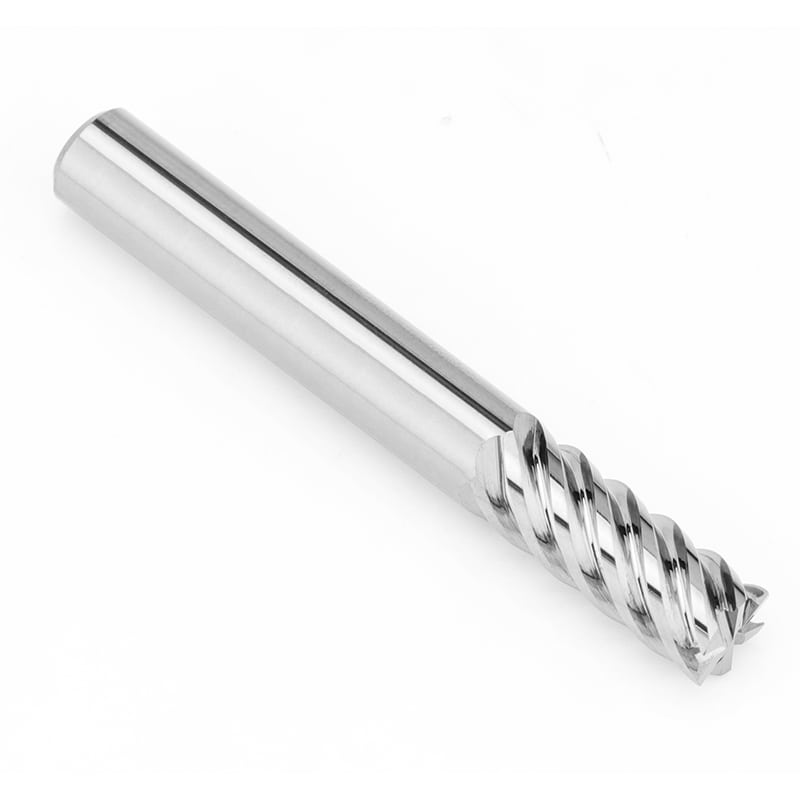
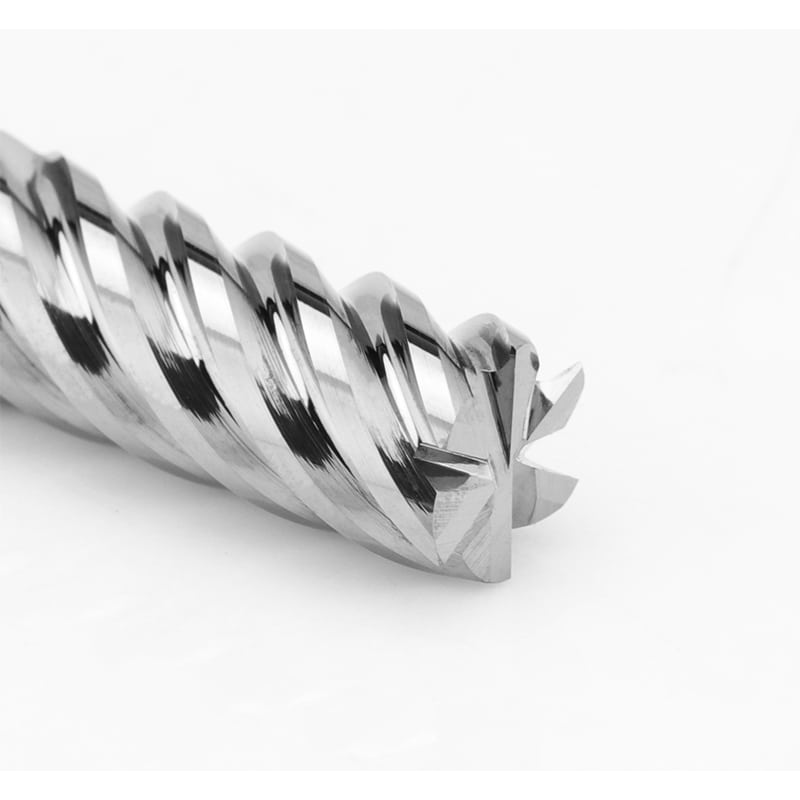
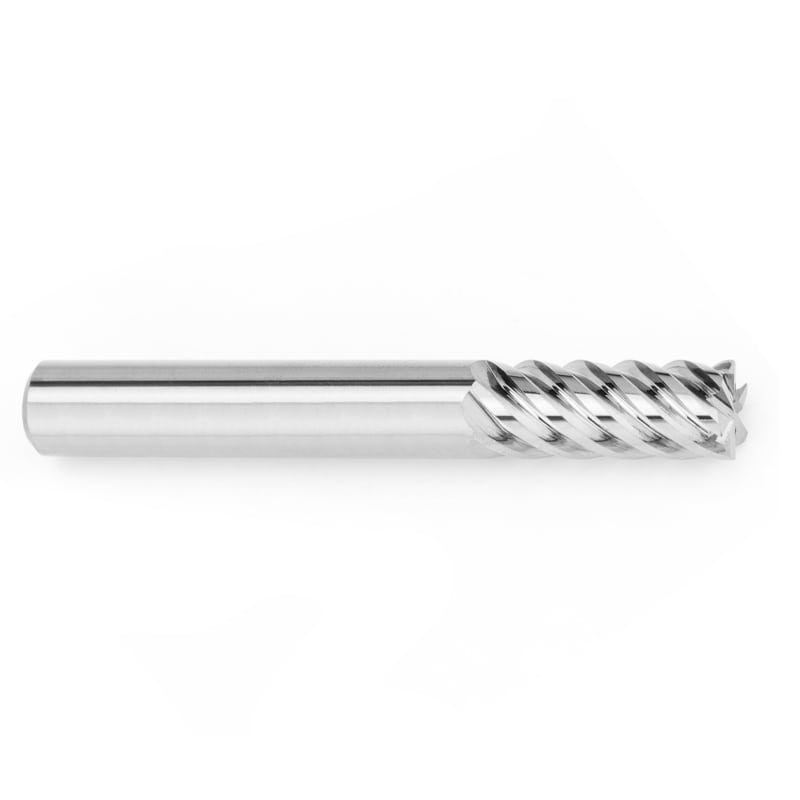
This cermet end mill is designed for trimming, profiling,
slotting and edge finishing of CFRP, GFRP, composite
laminates and selected fiber-reinforced plastics.
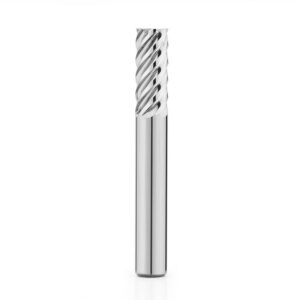
The multi-edge cutting structure distributes cutting
engagement across several cutting edges. Combined with
the wear resistance and edge stability of the selected
cermet material, the tool supports controlled machining
of abrasive carbon-fiber and glass-fiber components.
Recommended Composite Machining Applications
This tool is intended for abrasive composite materials
where conventional cutting edges may experience rapid wear
and unstable edge quality.
CFRP Trimming
Suitable for peripheral trimming and edge machining
of carbon-fiber-reinforced panels, molded components
and laminated structures.
GFRP Profiling
Designed for contour and profile machining of
glass-fiber-reinforced components where abrasive
fibers create high cutting-edge wear.
Composite Slotting
Supports slot and groove machining with controlled
tool engagement and suitable chip or dust evacuation.
Edge Finishing
Suitable for controlled finishing of composite
edges, cutouts and precision molded features.
Designed for Composite Machining Challenges
Carbon fibers and glass fibers are highly abrasive.
Composite laminates can also develop delamination,
fiber pull-out, frayed edges and heat-related resin damage
when the tool geometry or cutting conditions are unsuitable.
Abrasive Fiber Wear
- Carbon and glass fibers accelerate cutting-edge wear
- Cermet material supports improved wear resistance
- Multi-edge geometry distributes cutting engagement
- Stable edge retention supports longer machining cycles
- Reduced tool changes can improve production continuity
- Actual tool life depends on the composite structure
Composite Edge Quality
- Controlled cutting action helps reduce frayed edges
- Suitable parameters can help limit fiber pull-out
- Stable toolholding helps reduce delamination risk
- Low runout improves cutting-edge engagement
- Correct feed helps avoid rubbing and resin heating
- Dust extraction should match the machining process
Why Select a Cermet End Mill?
The cermet version is positioned for composite applications
requiring a balance of wear resistance, cutting-edge stability
and controlled machining performance.
Balanced Cutting Performance
- Wear-resistant material for abrasive composites
- Stable cutting edges during repeated machining
- Suitable for trimming and profiling operations
- Supports controlled slot and groove machining
- Useful for repetitive composite production
- Final performance depends on the selected grade
Cermet or Solid Ceramic?
- Cermet emphasizes a balance of wear resistance and edge stability
- Solid ceramic emphasizes hardness and abrasion resistance
- Solid ceramic generally requires more stable machining conditions
- Interrupted cutting should be reviewed carefully
- Machine rigidity and tool runout affect both options
- Application testing is recommended before batch production
Cermet End Mill Design and Cutting Performance
Tool material, multi-edge geometry, flute structure,
dimensional accuracy and machining stability work together
to determine composite cutting performance.
Cermet Tool Material
The selected cermet material provides a combination
of wear resistance and cutting-edge stability for
abrasive composite machining.
Multi-Edge Cutting Structure
Multiple cutting edges distribute tool engagement
during trimming, profiling, slotting and edge finishing.
Wear Resistance
The cutting material is selected to resist abrasive
wear caused by carbon fibers, glass fibers and
composite fillers.
Stable Edge Retention
Stable cutting-edge geometry supports consistent
machining over repeated composite production cycles.
Controlled Cutting Engagement
The multi-edge structure can distribute the cutting
load when the feed, radial engagement and toolpath
are correctly selected.
Composite Edge Control
Suitable cutting conditions can help reduce
delamination, fiber pull-out and frayed edges
during trimming and profiling.
Reduced Tool-Change Frequency
Wear-resistant cutting edges can support longer
production cycles and reduce machine interruptions
caused by frequent tool replacement.
Batch Production Stability
Consistent tool dimensions and edge geometry support
repeatable trimming and profiling in automated production.
Custom Tool Diameter
Tool diameter can be adjusted according to the
component profile, corner radius and machining feature.
Custom Cutting Length
Cutting length and overall reach can be developed
according to workpiece thickness and accessibility.
Application-Specific Geometry
Cutting-edge and flute configurations can be reviewed
according to the composite structure and machining method.
Precision Inspection
Tool diameter, cutting length, flute geometry and
cutting-edge appearance are inspected before delivery.
Recommended Machining Conditions
Composite machining results depend strongly on machine
rigidity, tool runout, engagement, fiber direction,
laminate structure and dust-control conditions.
Recommended Conditions
- Rigid machine structure and stable workholding
- Low-runout spindle and toolholder
- Controlled radial and axial engagement
- Stable feed without prolonged tool rubbing
- Suitable dust extraction or approved process method
- Application verification before batch production
Conditions Requiring Review
- Severe tool impact or unstable interrupted cutting
- Excessive tool overhang
- High spindle or holder runout
- Loose or flexible composite workpieces
- Uncontrolled heat generation in the resin system
- Unknown laminate or embedded-material structure
Recommended Workpiece Materials
This cermet end mill is primarily intended for abrasive
fiber-reinforced composites and selected composite-based
engineering materials.
Available Cermet End Mill Configurations
Standard and customized dimensions can be supplied according
to the composite type, workpiece thickness, operation and
required machining reach.
| Tool Type | Cermet End Mill for CFRP and GFRP |
|---|---|
| Tool Material | Cermet |
| Cutting Structure | Multi-Edge / Application-Specific Geometry |
| Tool Diameter | Standard Metric Sizes / Custom Diameter |
| Cutting Length | Standard / Extended / Custom |
| Neck Diameter | Standard / Reduced Neck / Custom |
| Neck Length | Standard / Long Reach / Custom |
| Shank Diameter | Standard Shank / Custom Shank |
| Overall Length | Standard / Extended Length / Custom |
| Main Operations | Trimming / Profiling / Slotting / Contour Machining / Edge Finishing |
| Primary Materials | CFRP / GFRP / Composite Laminates / Fiber-Reinforced Plastics |
| OEM Options | Custom Dimensions / Laser Marking / Customer Model Number / Private Label |
Send us the composite material, workpiece thickness,
tool diameter, cutting length, neck length,
shank diameter, overall length, machining operation
and order quantity to receive the current size list
and quotation.
Information Required for Tool Selection
Composite materials vary significantly in fiber type,
resin system and laminate construction. Complete application
information helps determine the appropriate tool geometry.
Workpiece Information
- CFRP, GFRP or other composite type
- Fiber content and fiber direction
- Resin system and laminate structure
- Workpiece or panel thickness
- Embedded metal or honeycomb layers
- Required edge and surface quality
Machining Information
- Trimming, profiling, slotting or finishing
- Tool diameter and cutting length
- Machine type and spindle speed
- Toolholder and measured runout
- Tool overhang and machining depth
- Dust extraction and production quantity
Cermet End Mill Manufacturer and OEM Supplier
ZHY supplies standard and customized cermet end mills
to composite manufacturers, machining companies,
cutting-tool distributors and private-label tool brands.
Application and Wholesale Support
- Application review based on composite structure
- Standard and customized dimensions
- Trimming, profiling and slotting configurations
- Sample tools for machining verification
- Mixed-size and batch-order quotations
- Tool-selection support for CFRP and GFRP
OEM and Private Label
- Customer logo laser marking
- Customer model and product numbers
- Custom labels and barcode stickers
- Plastic box and outer-carton options
- Private-label packaging support
- Packaging verification before shipment
Production and Quality Inspection
Tool-material verification, dimensional measurement
and cutting-edge inspection support consistent geometry
and repeatable production quality.
Request a Cermet End Mill Recommendation
Send us the composite material, fiber type, resin system,
workpiece thickness, machining operation, tool diameter,
cutting length, machine condition, required edge quality
and order quantity. Our team will review the application
and recommend a suitable standard or customized cermet end mill.