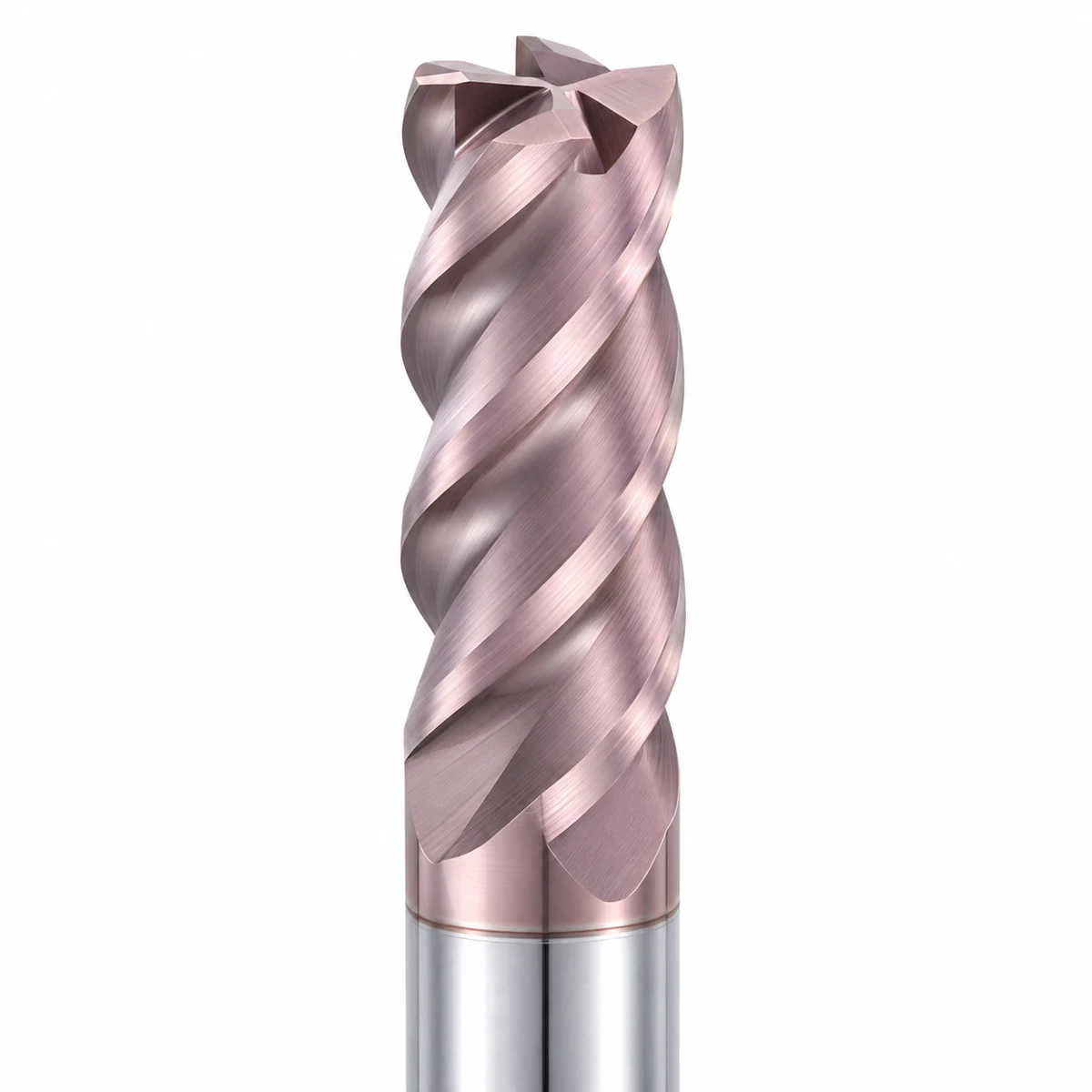
Square End Mills
A flat cutting end for straight walls, shoulders and flat features. The 45° helix is suited to side semi-finishing and finishing.
View Tool Details →ZHY manufactures solid carbide end mills for semi-finishing and finishing hardened steel at 60–68 HRC. Square, ball nose and corner radius profiles cover walls, pockets and 3D contours, with standard and custom dimensions.
Request a Quote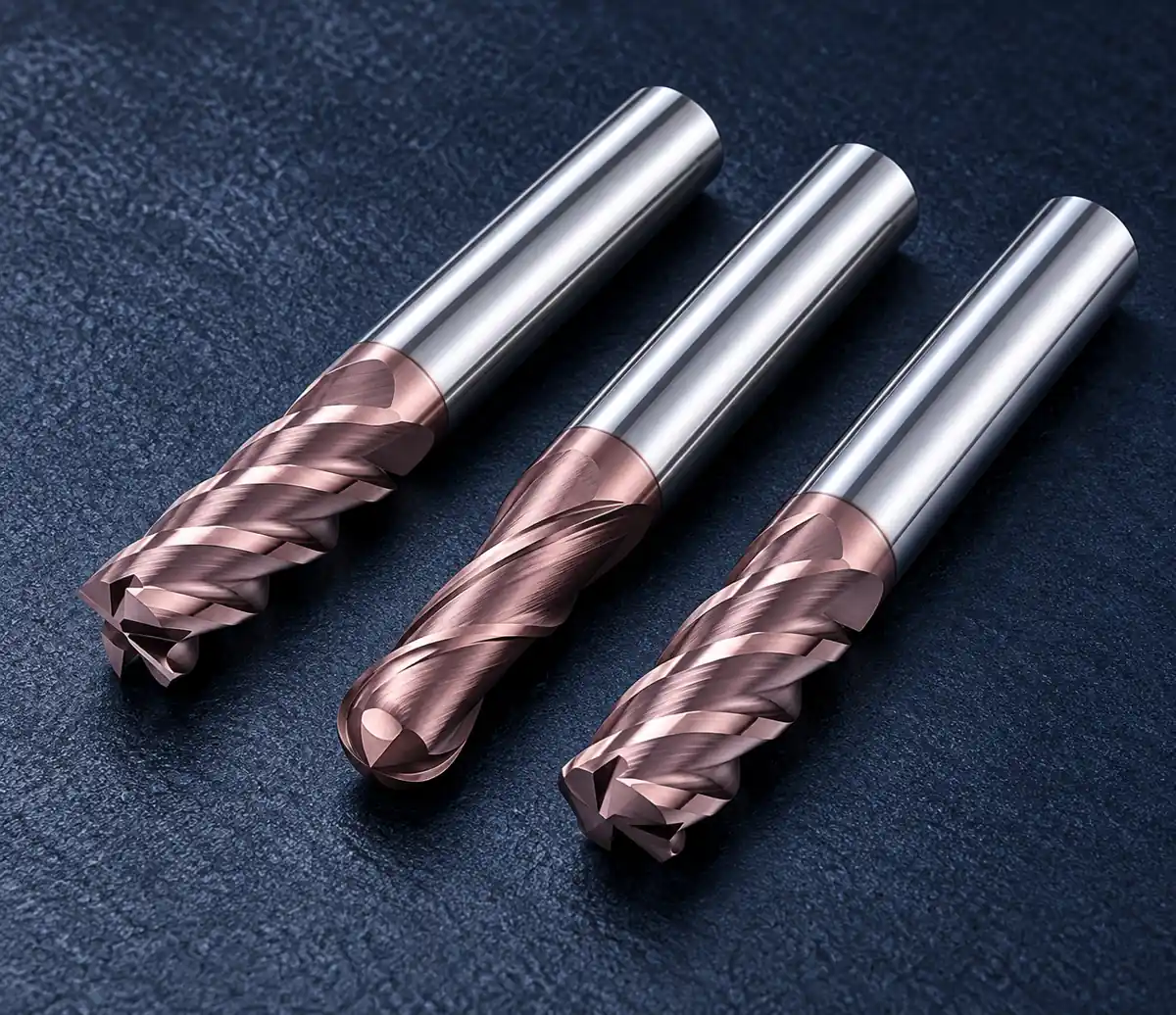
The machined feature determines the cutting profile. Actual workpiece hardness, reach and finishing allowance guide the tool configuration.
A flat cutting end for straight walls, shoulders and flat features. The 45° helix is suited to side semi-finishing and finishing.
View Tool Details →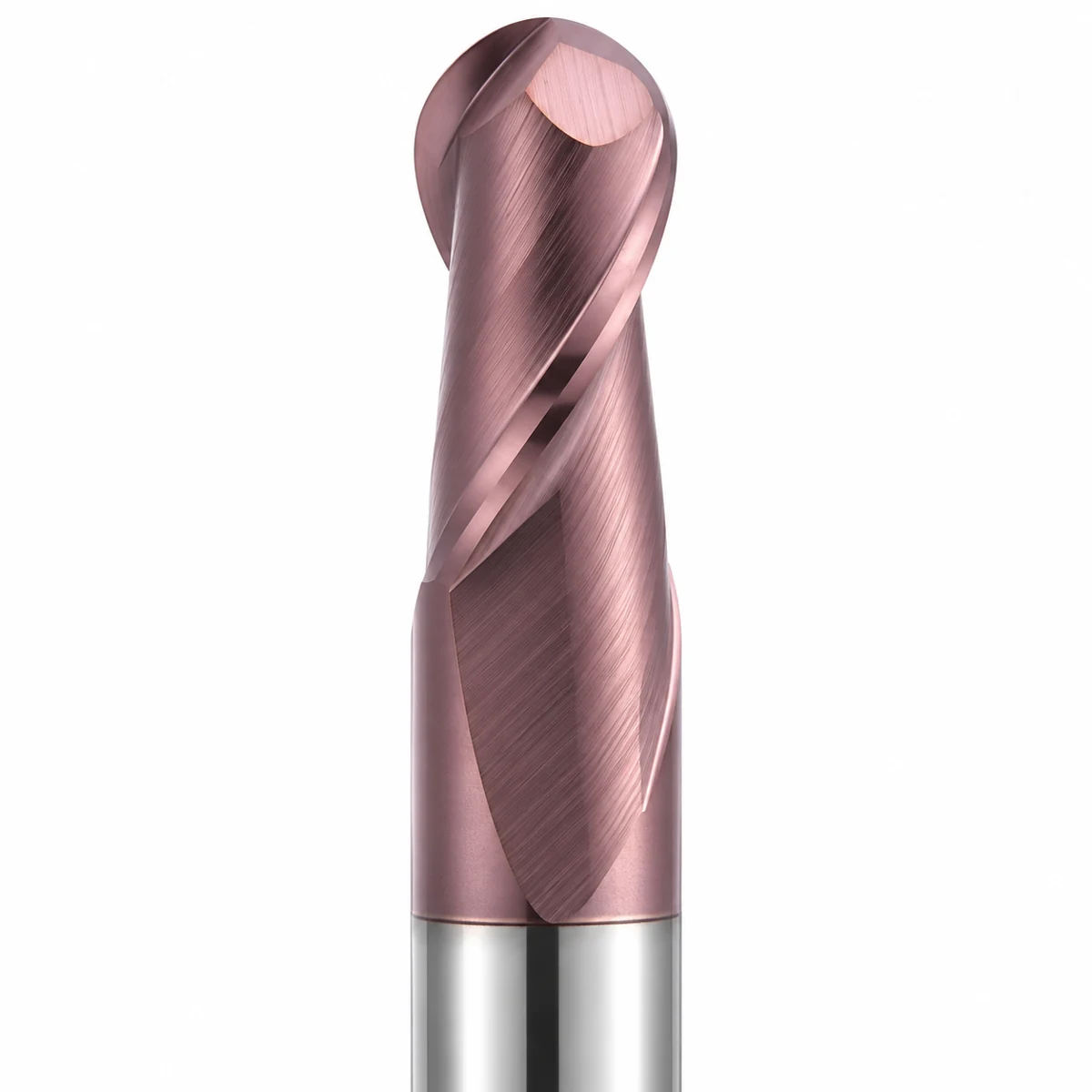
A full-radius tip for hardened mold cavities, inclined surfaces and 3D contours. The 35° helix supports curved-surface finishing.
View Tool Details →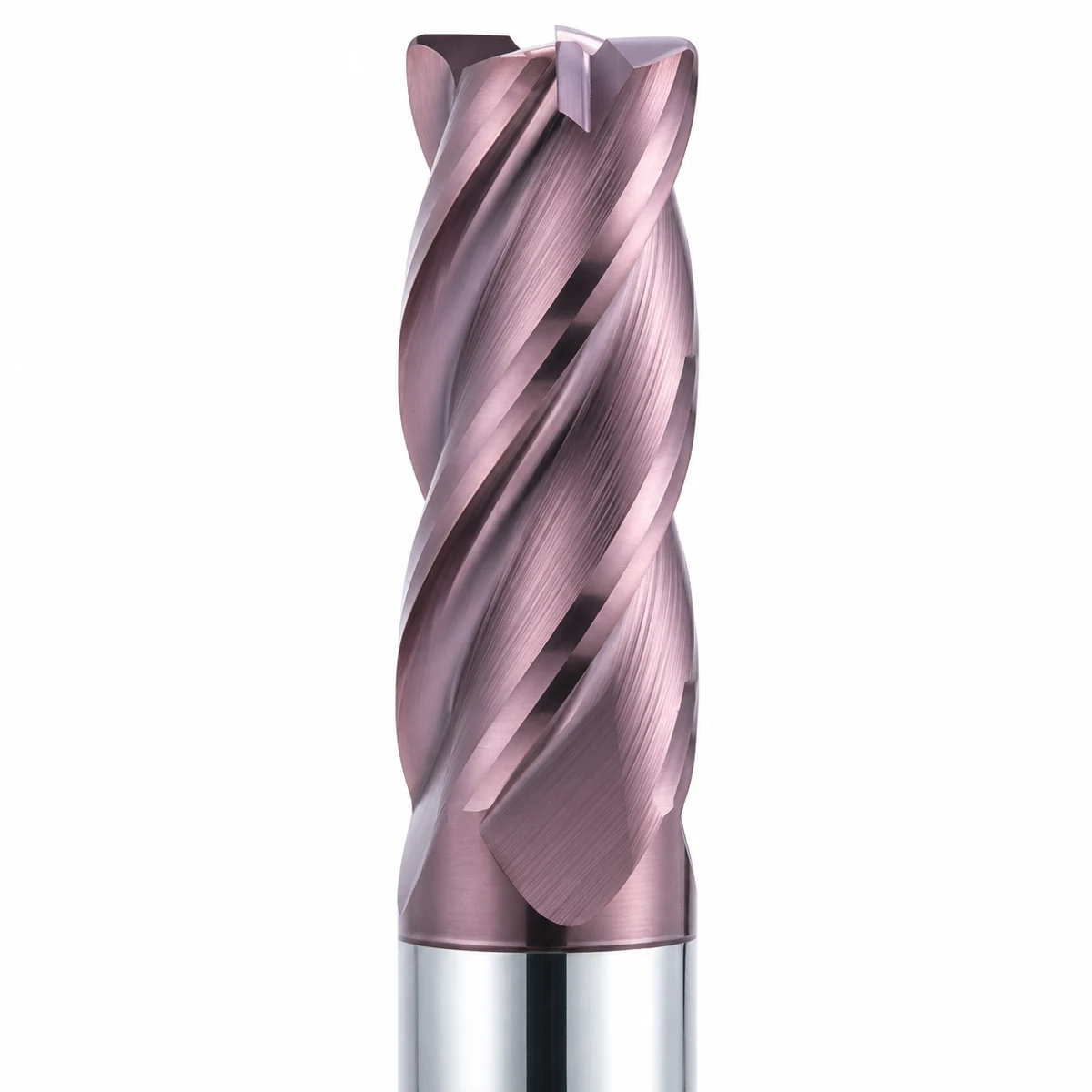
A flat-bottom profile with a rounded corner for pocket floors, transition radii and contour finishing. This profile uses a 35° helix.
View Tool Details →For hard milling, the measured hardness and remaining stock matter as much as the steel grade. These tools are intended for controlled semi-finishing and finishing.
Feature
Selection considerations
Tool profile
Flat features and side walls
Finishing allowance, wall height and cutter engagement
Square end mill
Shoulders and pocket corners
The specified internal radius and wall height
Corner radius end mill
Curved cavities and cores
Surface curvature, stepover and tool contact position
Ball nose end mill
Deep hardened cavities
Neck clearance, holder access and the shortest practical overhang
Long-reach or custom configuration
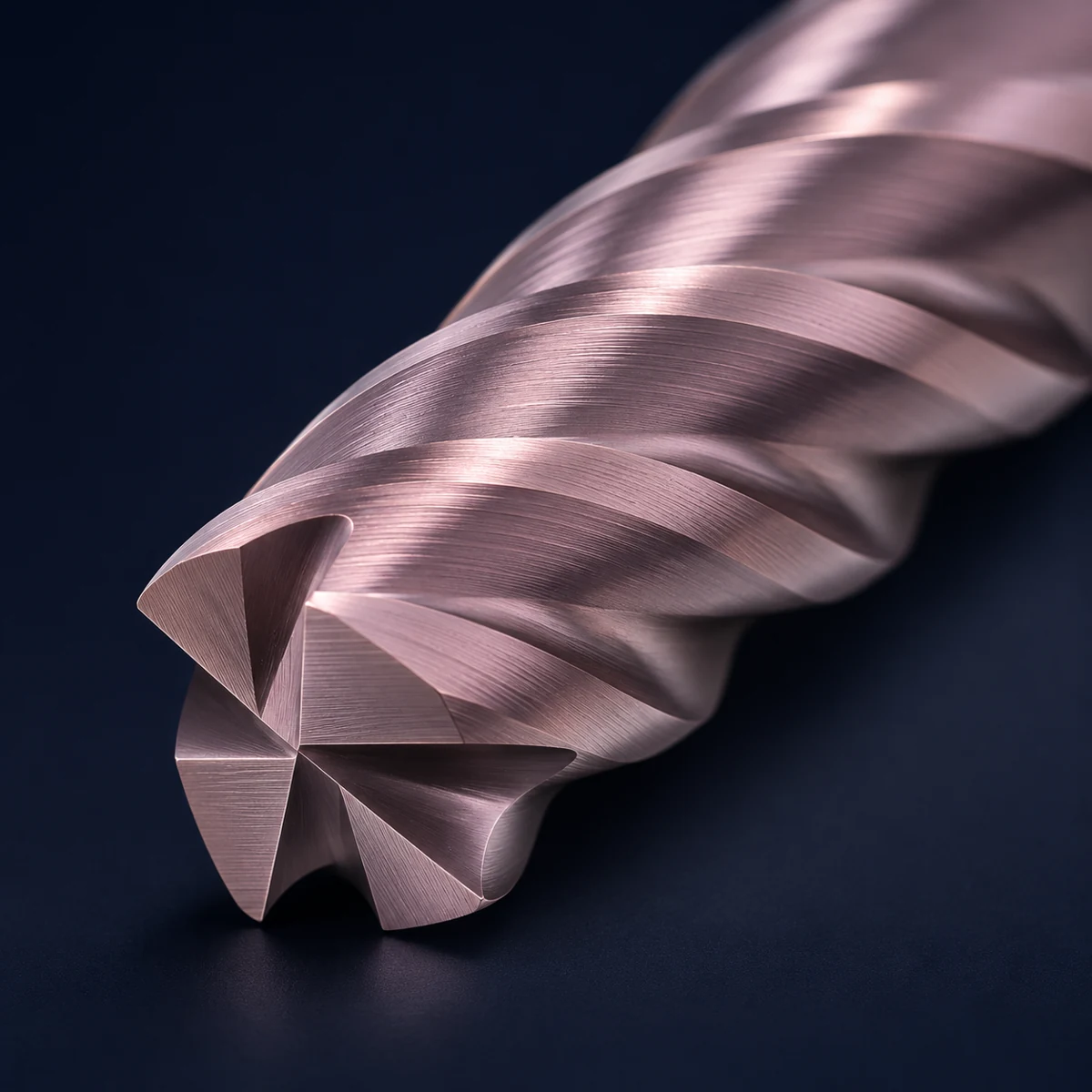
A reinforced core supports the cutting section. Helix geometry differs between square, ball nose and corner radius profiles.
The large core provides support behind the flutes for semi-finishing and finishing high-hardness steel.
Square end mills use a 45° helix. Ball nose and corner radius end mills use a 35° helix for radius and curved-surface operations.
The peripheral rake supports the cutting edge in hardened steel. Tool reach and engagement must suit the part feature and machine setup.
This range is specified for hardened steel at 60–68 HRC. Grade names alone do not establish suitability: measured hardness, heat treatment and the finishing operation are needed.
Heat-treated tool steel
Quenched die steel
Hardened mold components
60–68 HRC workpieces
For workpieces below this range, the mold steel series may be a better starting point. Above 68 HRC, tool selection requires separate evaluation; this carbide range is not specified for 70 HRC.
End Mills for Mold Steel →Our factory combines CNC tool grinding, edge preparation, coating equipment and profile inspection for carbide end mill production.
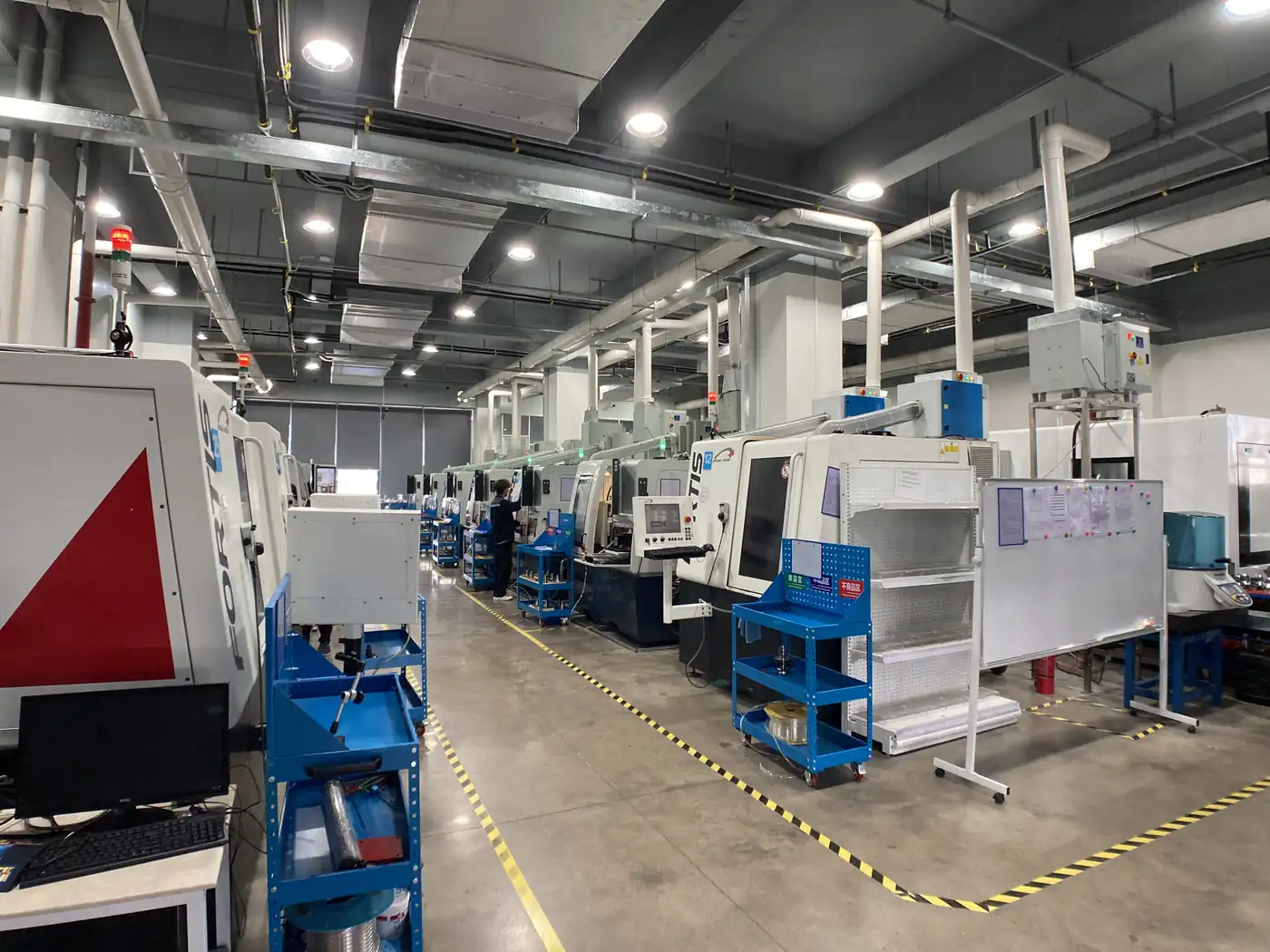
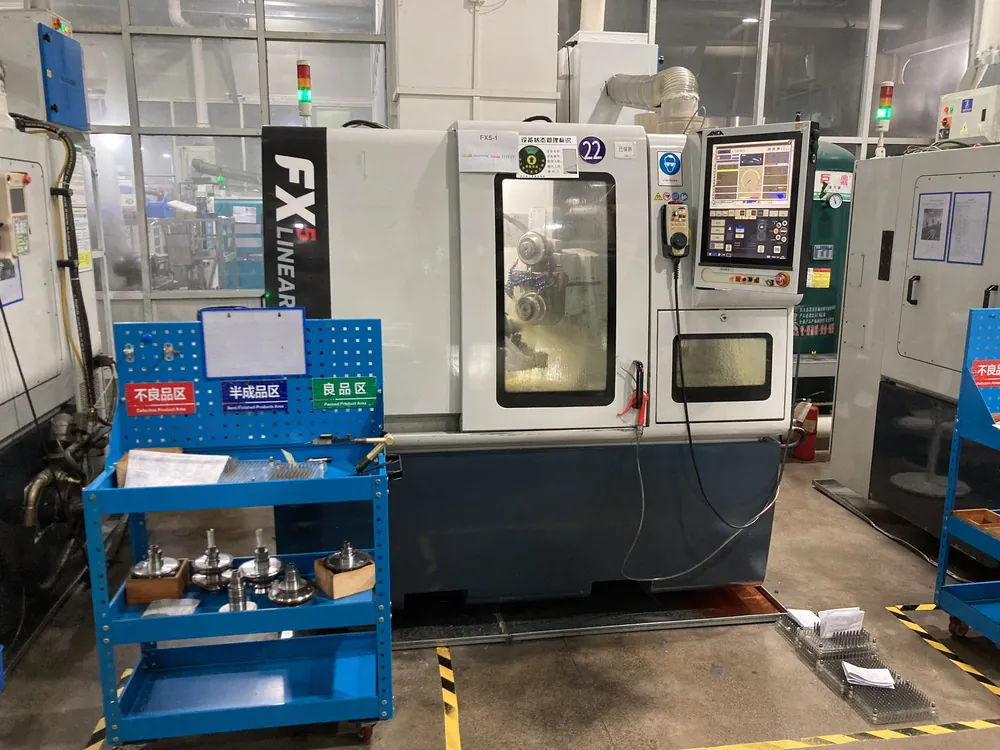
Five-axis CNC grinding forms the flutes and cutting profile. Fluid blasting and automated polishing prepare the cutting edges.
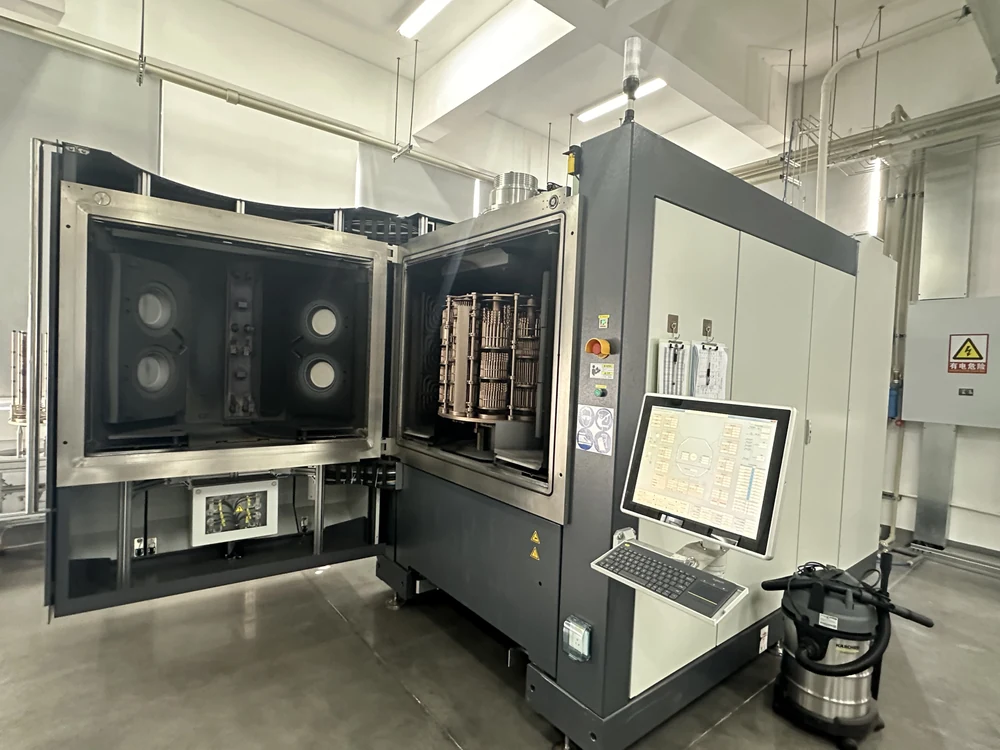
Our coating equipment supports carbide cutting tool production. Coating specifications follow the selected tool and machining task.
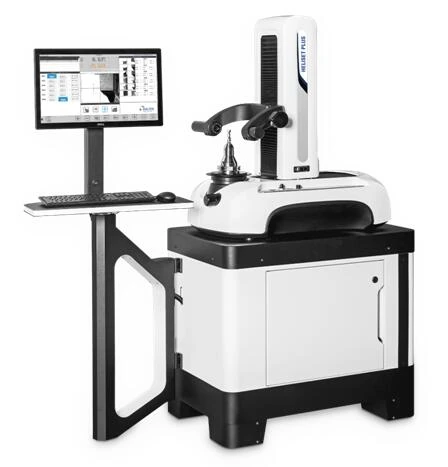
HELICHECK PLUS profile measurement, 150× optical inspection and 300× appearance checks support geometry and edge inspection.
We make hardened steel end mills to drawing and supply customer-marked tools with private-label packaging for distributors and machining companies.
Custom Tooling →What end mill should I use for hardened steel?
A solid carbide end mill matched to the measured hardness and finishing operation is a suitable starting point. ZHY offers square, ball nose and corner radius end mills for hardened steel at 60–68 HRC. The part feature, tool reach and remaining stock determine the configuration.
Can ZHY carbide end mills machine steel at 65 HRC?
Yes. 65 HRC lies within the specified 60–68 HRC range. The steel grade, cutter diameter, overhang, finishing allowance and machine rigidity still need to be considered when selecting the tool and cutting conditions.
Which profile is suitable for hardened mold cavities?
Ball nose end mills suit curved cavities, inclined surfaces and 3D contours. Corner radius tools suit pocket floors and radiused transitions. Square end mills suit flat features and straight walls. Deep cavities may require a long-neck configuration.
What coating is used on these hardened steel end mills?
This range uses a bronze-colored DR3 wear-resistant coating with an approximately 0.4 μm carbide substrate and 9% cobalt content. The tool configuration is selected to suit the workpiece hardness and finishing operation.
Are these carbide end mills suitable for 70 HRC steel?
This range is specified for 60–68 HRC hardened steel, so it should not be selected for a 70 HRC workpiece on hardness alone. CBN tools or a separately specified high-hardness tool may be considered after reviewing the material and operation.
Can you make long-neck end mills for hardened steel?
ZHY can manufacture long-neck tools and custom diameters, cutting lengths, shanks, overall lengths and corner radii. A cavity drawing with depth, wall angle and holder clearance helps determine the necessary reach without unnecessary overhang.
What information is needed for a hardened steel end mill quotation?
A quotation needs the tool profile, diameter, cutting length, overall length and quantity, together with the steel grade and measured HRC hardness. Include finishing allowance, cavity depth and corner-radius or neck-clearance dimensions where relevant. Customer marking and packaging can be specified.