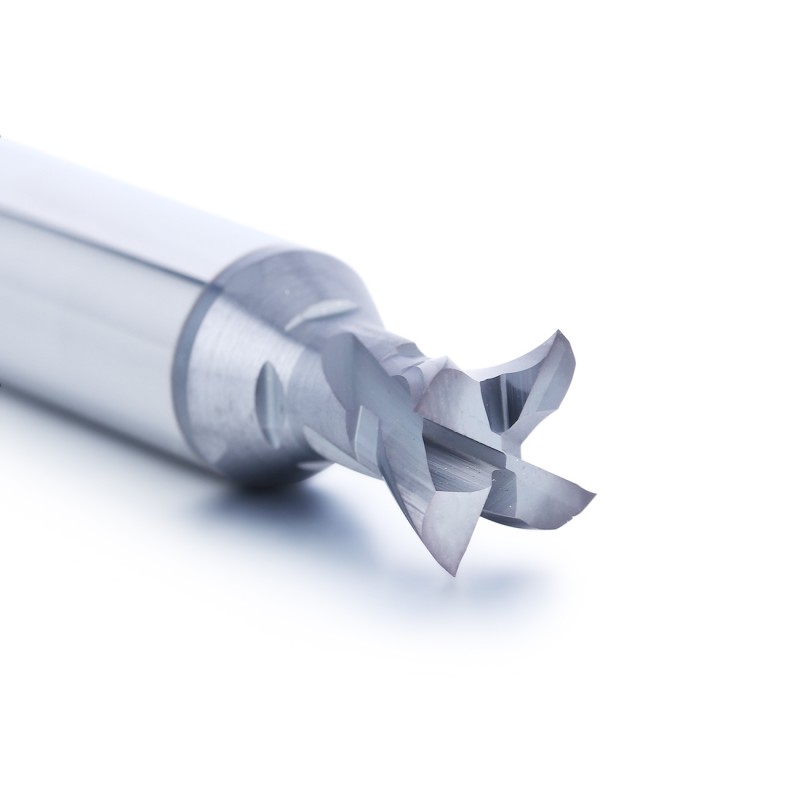
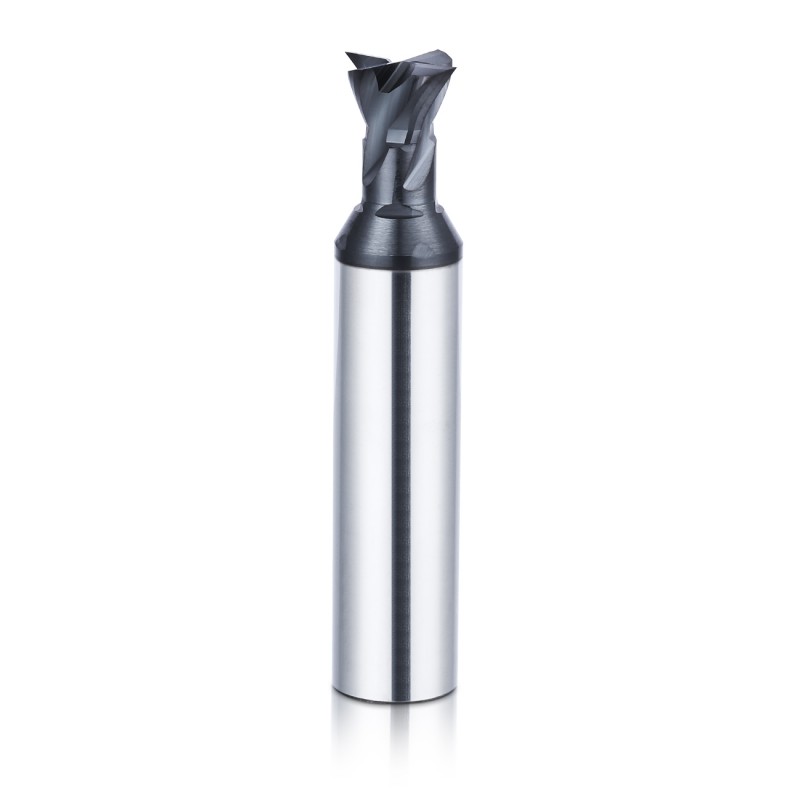
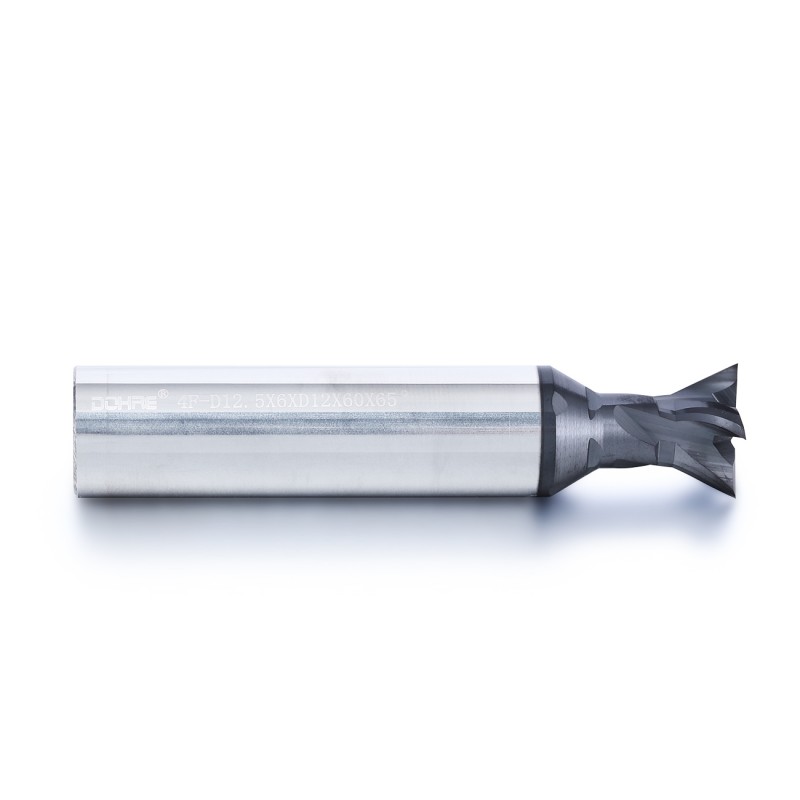
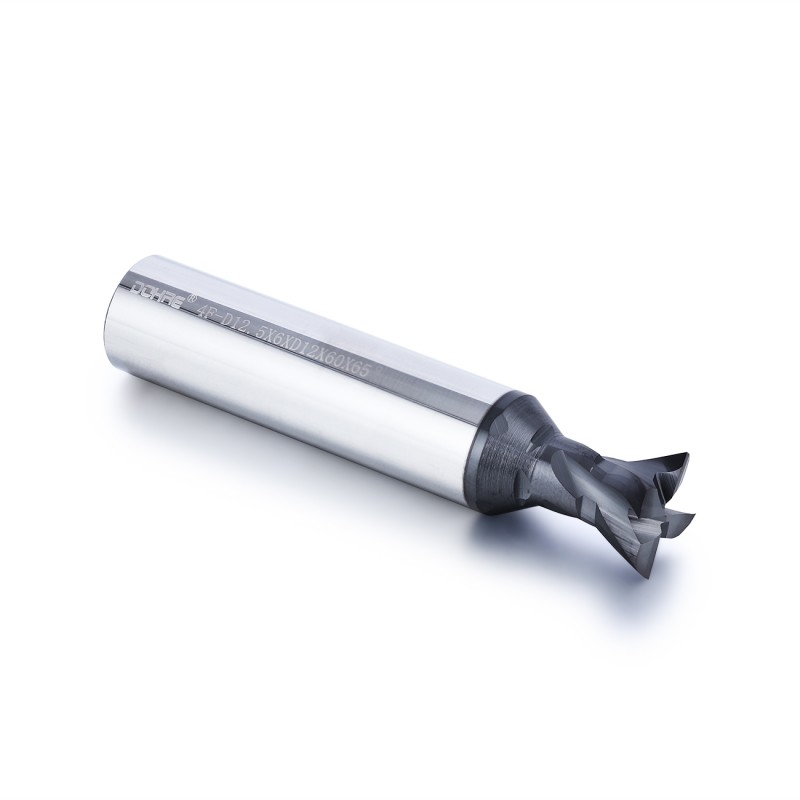
Description
|
|
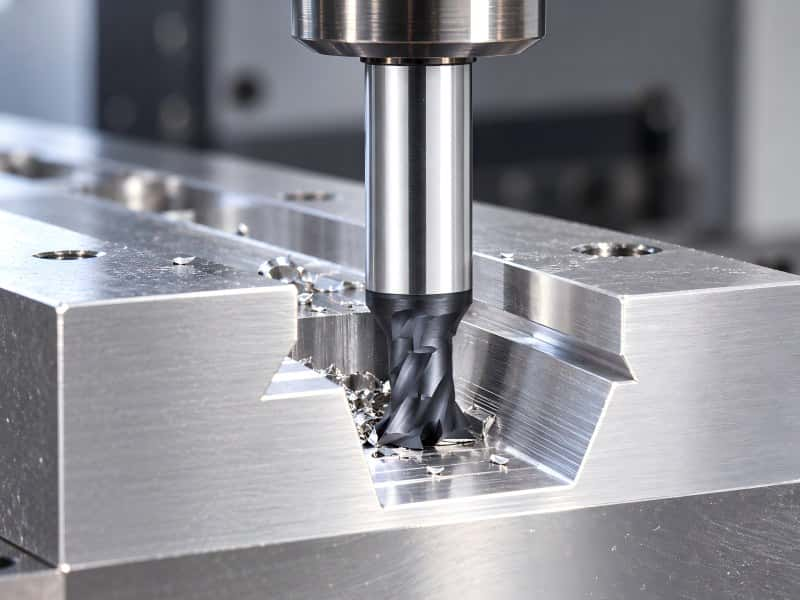
Recommended Dovetail Machining Applications
Dovetail Grooves
|
Undercut Features
|
Angled Sidewalls
|
Locking & Retaining Profiles
|
Why Use PCD for Dovetail Milling?
High Wear Resistance
|
Stable Dovetail Angle
|
Consistent Groove Dimensions
|
Repeat-Production Capability
|
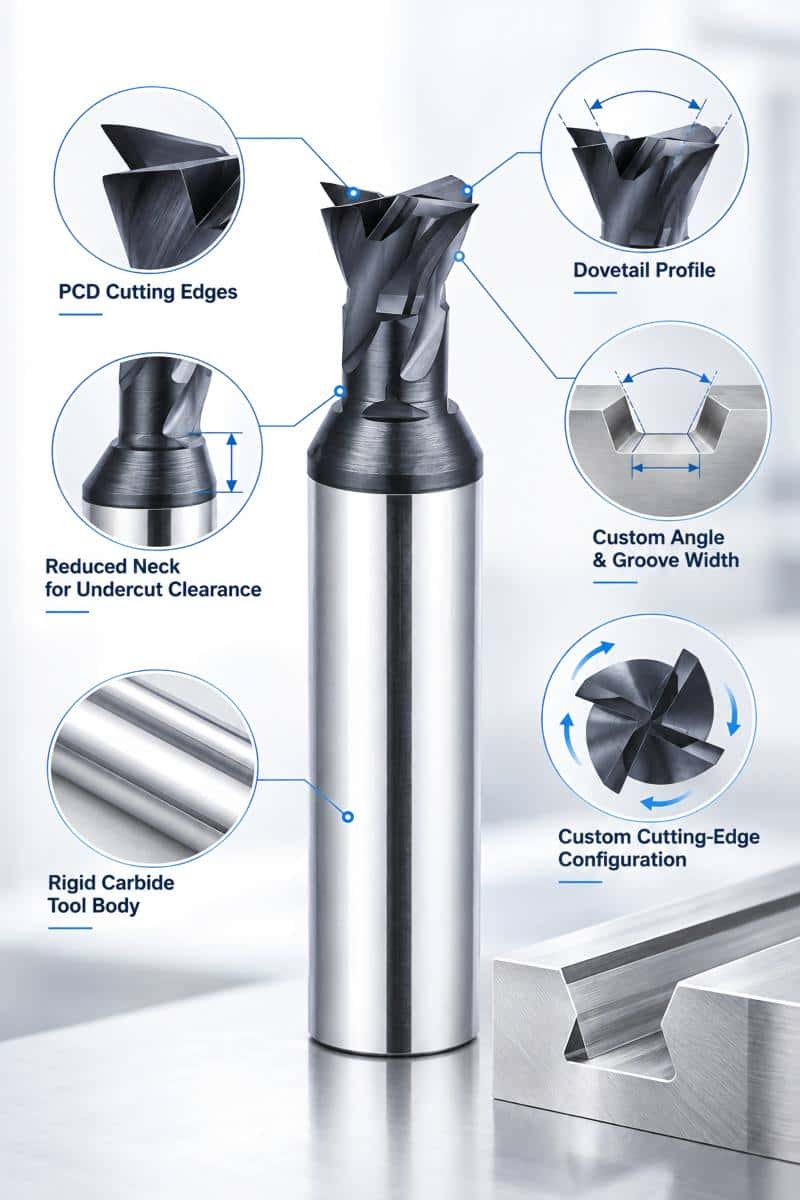
PCD Dovetail Geometry & Access
|
|
|
PCD Dovetail End Mill vs Carbide Dovetail Cutter
Attribute |
PCD Dovetail End Mill |
Carbide Dovetail Cutter |
|---|---|---|
| Best-Suited Materials | Aluminum, high-silicon aluminum, graphite and abrasive composites | General metals and broader material ranges depending on carbide grade |
| Wear Resistance | Very high in suitable non-ferrous and non-metallic materials | Application dependent |
| Production Focus | High-repeatability and longer production runs | General-purpose or lower-volume applications |
| Customization | Drawing-based PCD profile and body geometry | Standard and custom carbide geometry |
Recommended Workpiece Materials
Aluminum & High-Silicon Aluminum
|
Graphite
|
CFRP & GFRP
|
Selected Non-Ferrous & Engineering Plastics
|
Copper, magnesium and other non-ferrous materials should be evaluated according to profile geometry, cutting speed and chip-evacuation requirements.
Custom Configuration Options
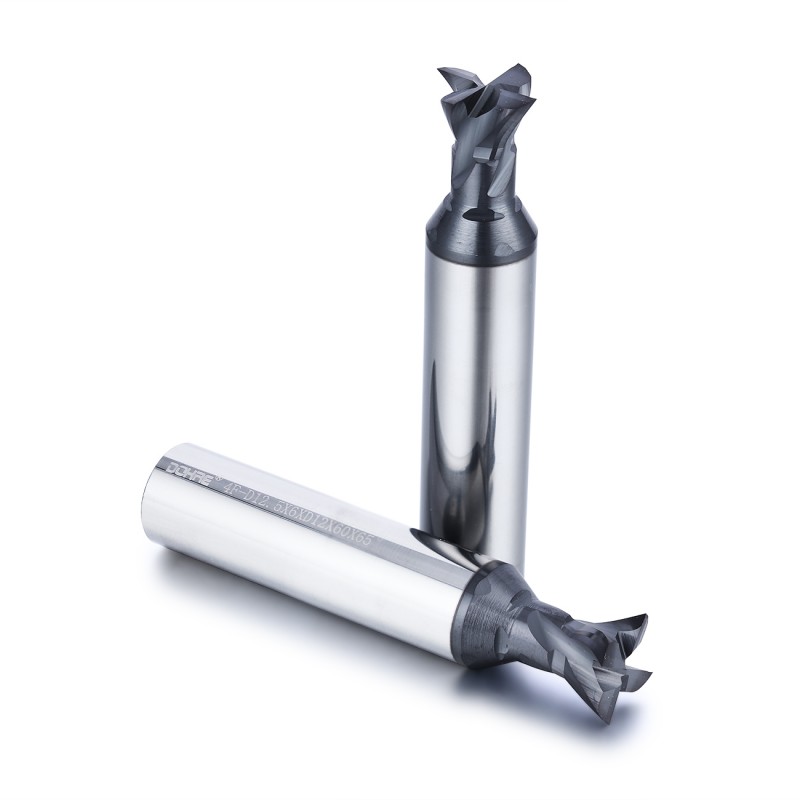
PCD dovetail cutters can be developed according to the required groove profile, component access and production conditions.
| Dovetail Included Angle | Custom |
| Major Diameter | Custom |
| Minor Diameter | Custom |
| Groove / Cutting Width | Custom |
| Neck Diameter | Custom |
| Neck Length | Custom |
| Shank Diameter | Standard / Custom |
| Overall Length | Custom |
| Cutting-Edge Quantity | Application-Based |
| Cutting Direction | Application-Based |
| OEM Service | Laser Marking / Model Number / Private Label / Packaging |
Recommended Dovetail Machining Setup
Prepare Access Where Required
|
Check Neck & Holder Clearance
|
Use Stable Side-Milling Engagement
|
Control Tool Overhang
|
Maintain Chip Evacuation
|
Verify Finished Profile
|
Not every PCD dovetail cutter is center cutting. Confirm the actual end geometry before programming plunge entry.
From Component Drawing to Custom Dovetail Tool
Component geometry and machining conditions are reviewed together to confirm the required dovetail profile and tool clearance.
|
|
Custom Tool Development Process
|
STEP 01
Drawing Review
|
STEP 02
Access Analysis
|
STEP 03
Profile Design
|
|
STEP 04
Drawing Confirmation
|
STEP 05
Production & Inspection
|
STEP 06
Repeat Production
|
Manufacturing & Quality Control
|
| ✓ Prototype production | ✓ Drawing-controlled manufacturing |
| ✓ Custom angle & profile production | ✓ Batch consistency control |
| ✓ Repeat-order production | ✓ OEM laser marking & private label |
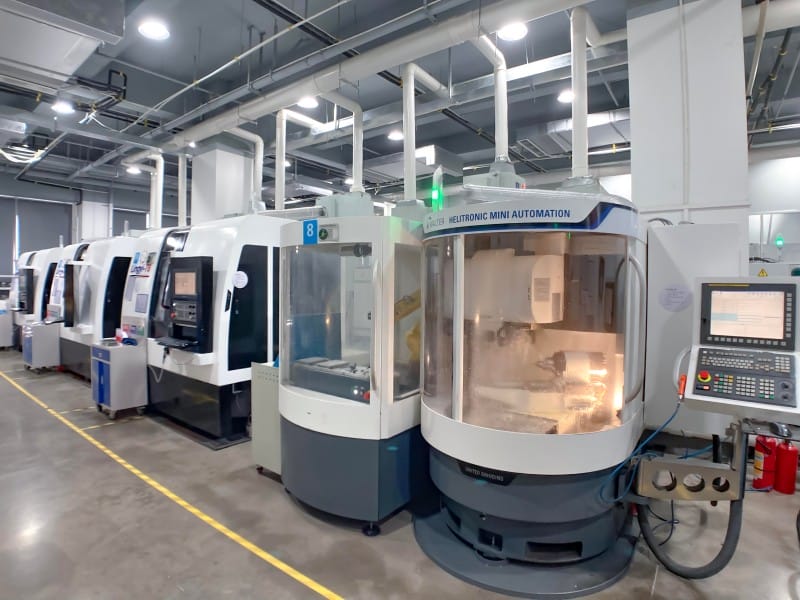
Manufacturing Capability
|
EXPERIENCE 20+ Years Cutting Tool Manufacturing
|
EQUIPMENT Walter / ANCA / Deckel Precision Manufacturing Equipment
|
CONTROL Drawing-Controlled Production Repeatable Custom Tool Geometry
|
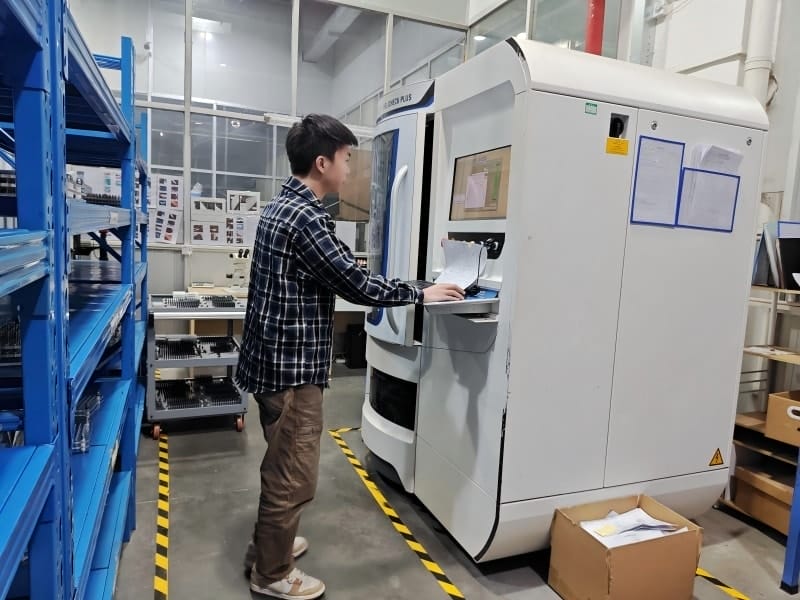
Inspection & Quality Control
Finished PCD dovetail end mills are inspected against the approved drawing, with focus on profile angle, major and minor diameter, groove width, neck clearance and PCD cutting-edge condition.
|
|
INSPECTION EQUIPMENT HELICHECK PLUS Profile & Dimensional Inspection
|
Included Angle & Profile
|
Major & Minor Diameter
|
PCD Cutting Edge
|
Batch Consistency
|
PCD Dovetail End Mill FAQ
What is a PCD dovetail end mill used for?
It is used for precision dovetail grooves, undercuts, angled sidewalls and locking profiles in suitable non-ferrous and composite materials.
Can the dovetail angle be customized?
Yes. Included angle, major diameter, minor diameter, groove width, neck dimensions and overall tool geometry can be developed according to the component drawing.
Is PCD suitable for aluminum?
Yes. PCD is particularly suitable for aluminum and high-silicon aluminum applications where high wear resistance and long dimensional stability are required.
Can a PCD dovetail cutter be reground?
Regrinding feasibility depends on the remaining PCD layer, cutter geometry and edge condition. The tool should be evaluated before regrinding.