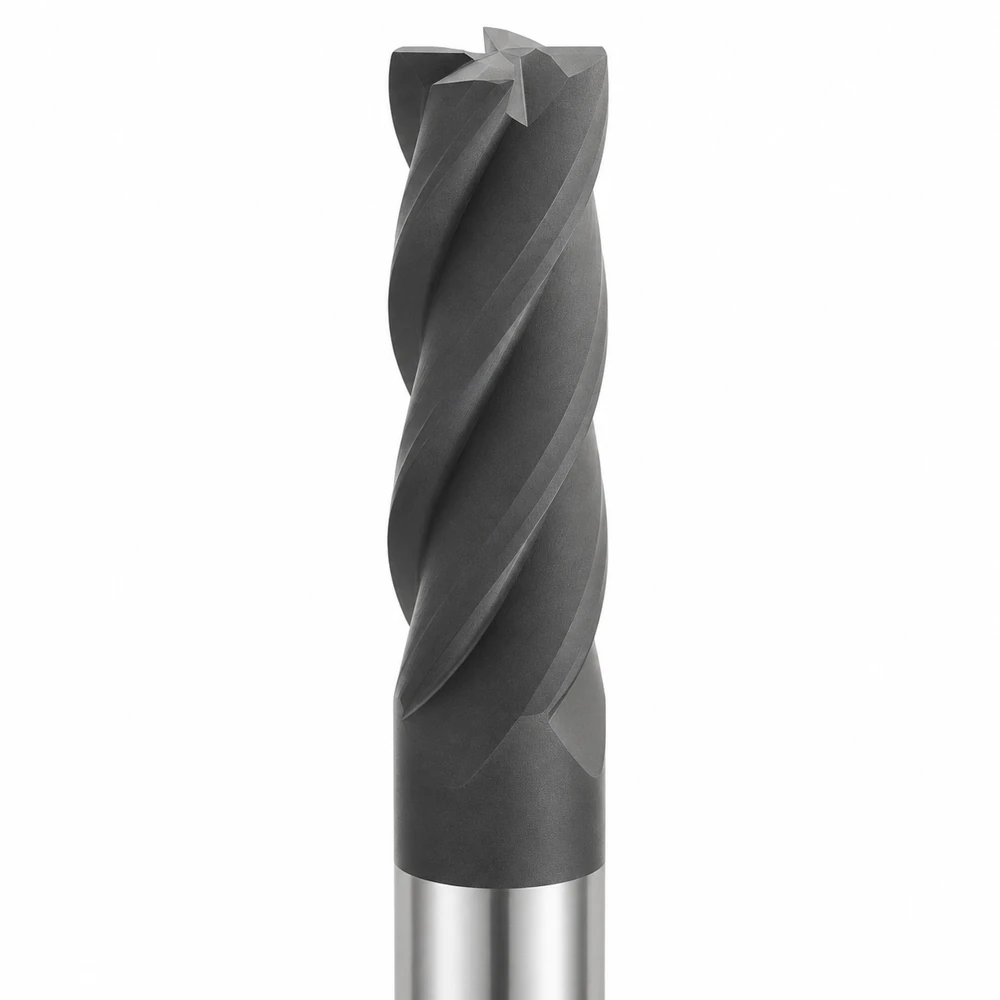
Square End Mills
Flat-bottom pockets, slots and straight walls in graphite electrodes. The square cutting end follows sharp floor-to-wall transitions.
View Tool Details →ZHY manufactures diamond-coated carbide end mills for graphite electrodes and molds. Square, ball nose and corner radius profiles cover slots, pockets and three-dimensional contours, with standard and custom dimensions for roughing and finishing.
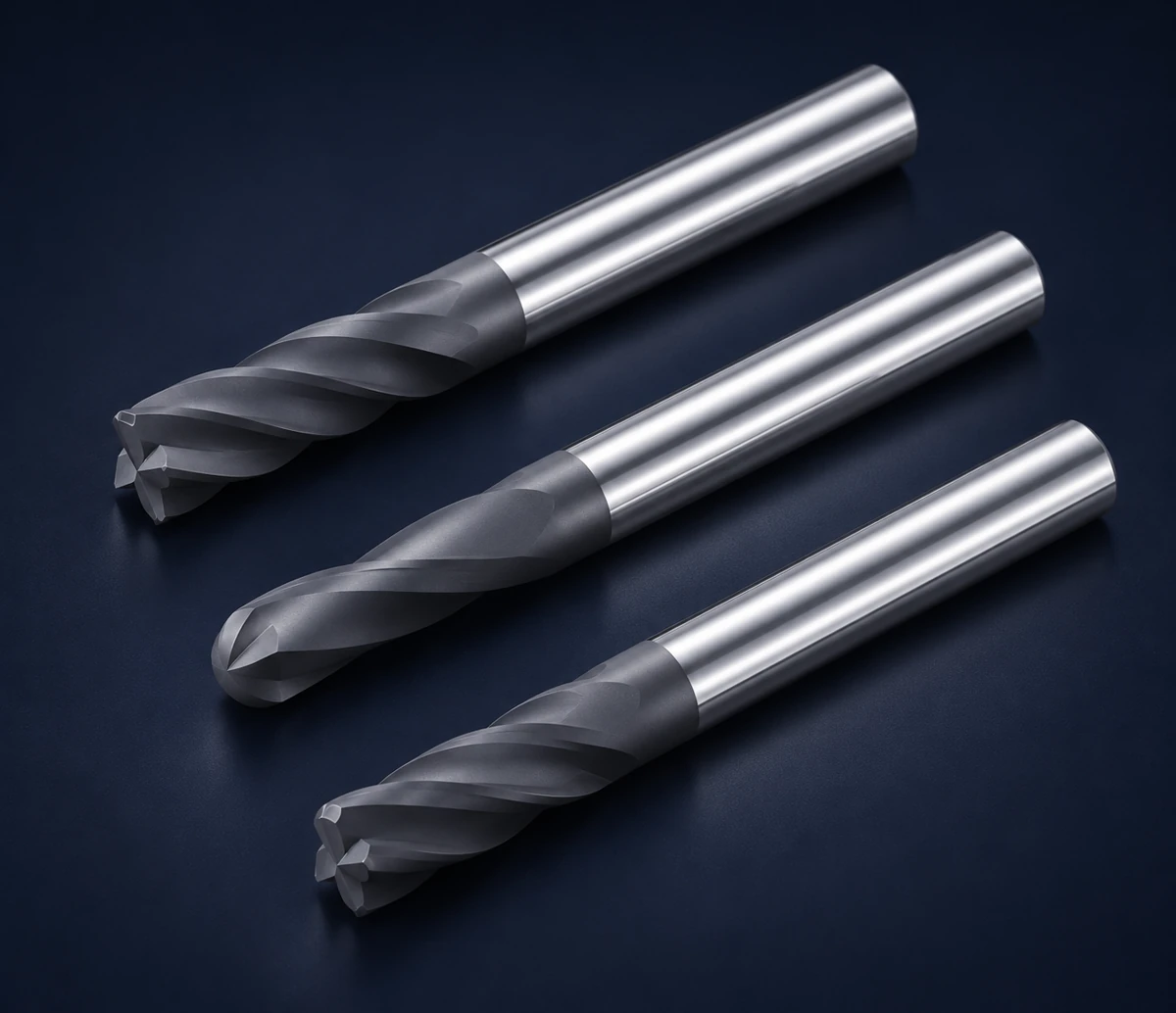
The electrode or mold geometry determines the cutter profile. Cutting length, neck clearance and reach determine access to deep or narrow features.
Flat-bottom pockets, slots and straight walls in graphite electrodes. The square cutting end follows sharp floor-to-wall transitions.
View Tool Details →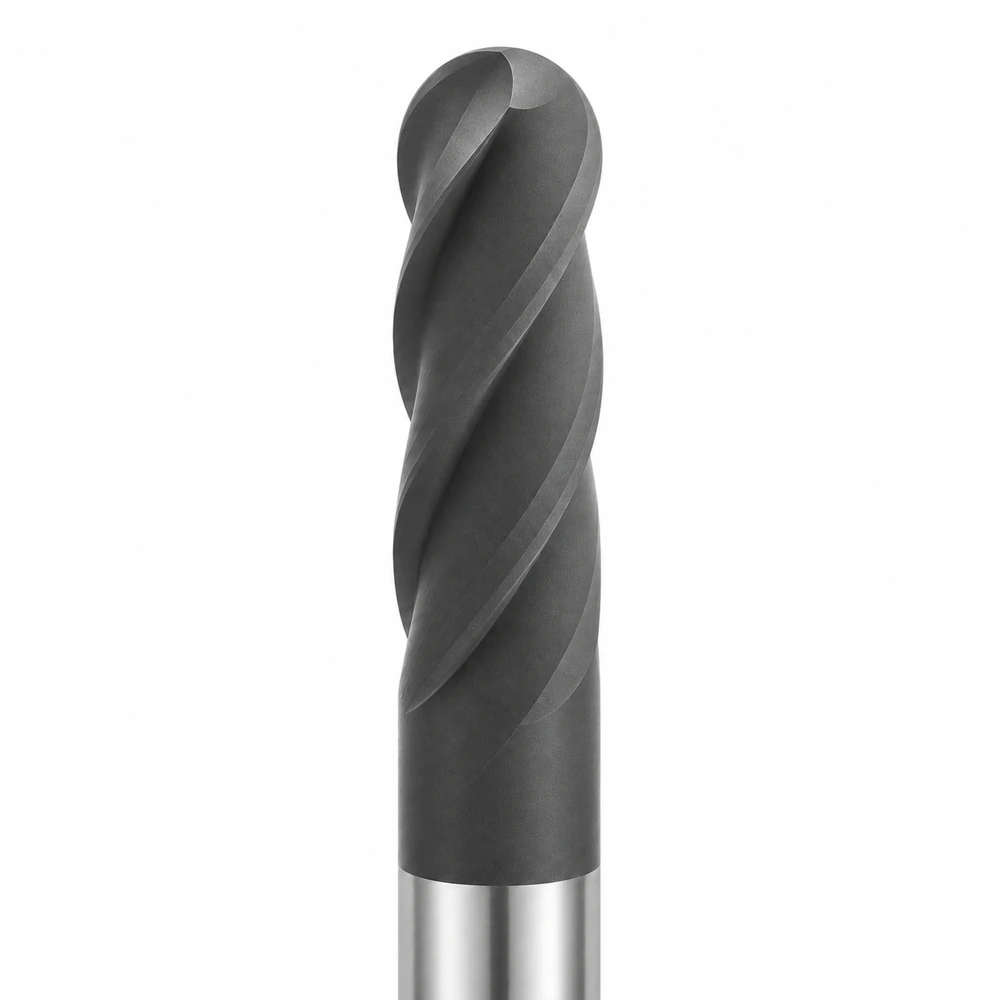
Curved cavities, electrode details and 3D contours. Ball radius, stepover and contact position affect the remaining surface scallop.
View Tool Details →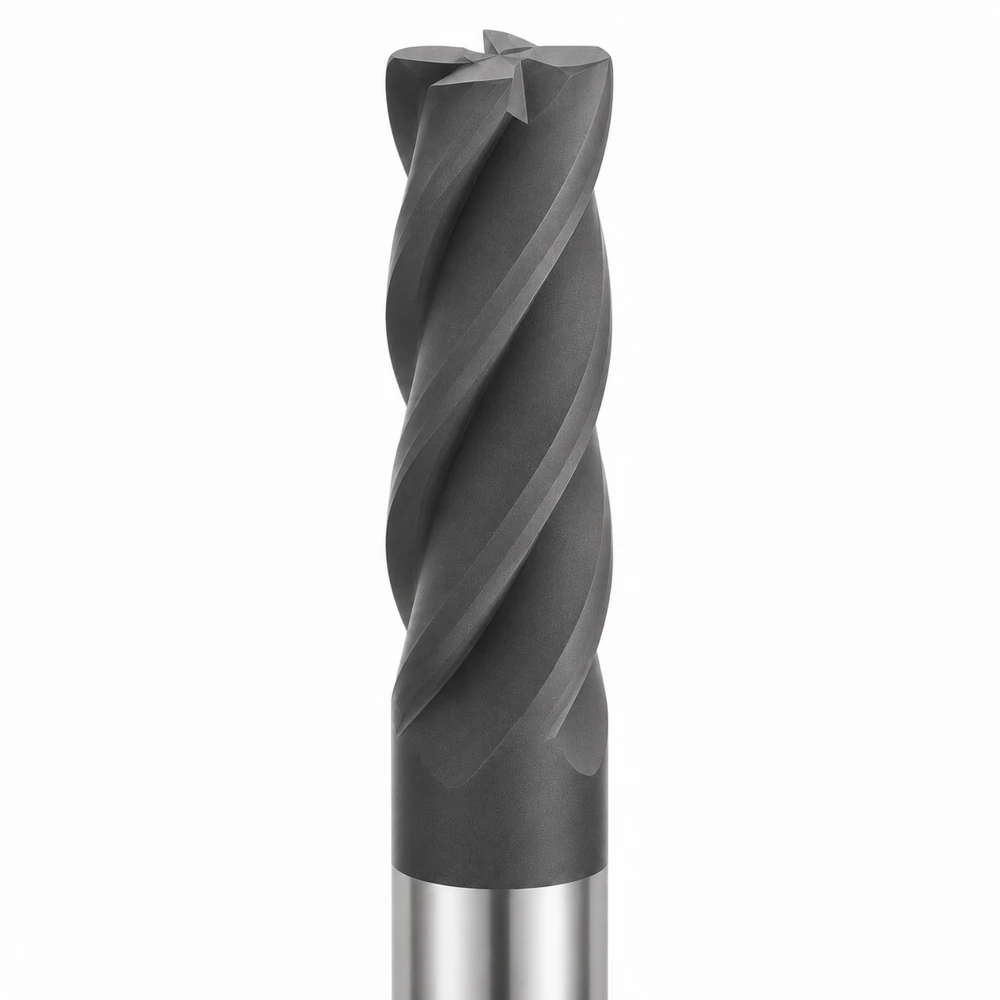
Shoulders, pockets and radiused transitions. The corner radius follows the part drawing and supports the cutting corner.
View Tool Details →Roughing removes the bulk of an electrode blank; finishing establishes the final contour and detail. The tool profile and reach need to suit each stage.
Feature
Selection considerations
Tool profile
Roughing graphite electrodes
Stock removal, feature strength and dust clearance
Square or corner radius
Slots and pockets
Pocket width, depth and floor geometry
Square end mill
Finishing 3D contours
Surface curvature, ball radius and stepover
Ball nose end mill
Deep or recessed details
Neck clearance, holder access and tool stiffness
Reduced-neck or custom tool
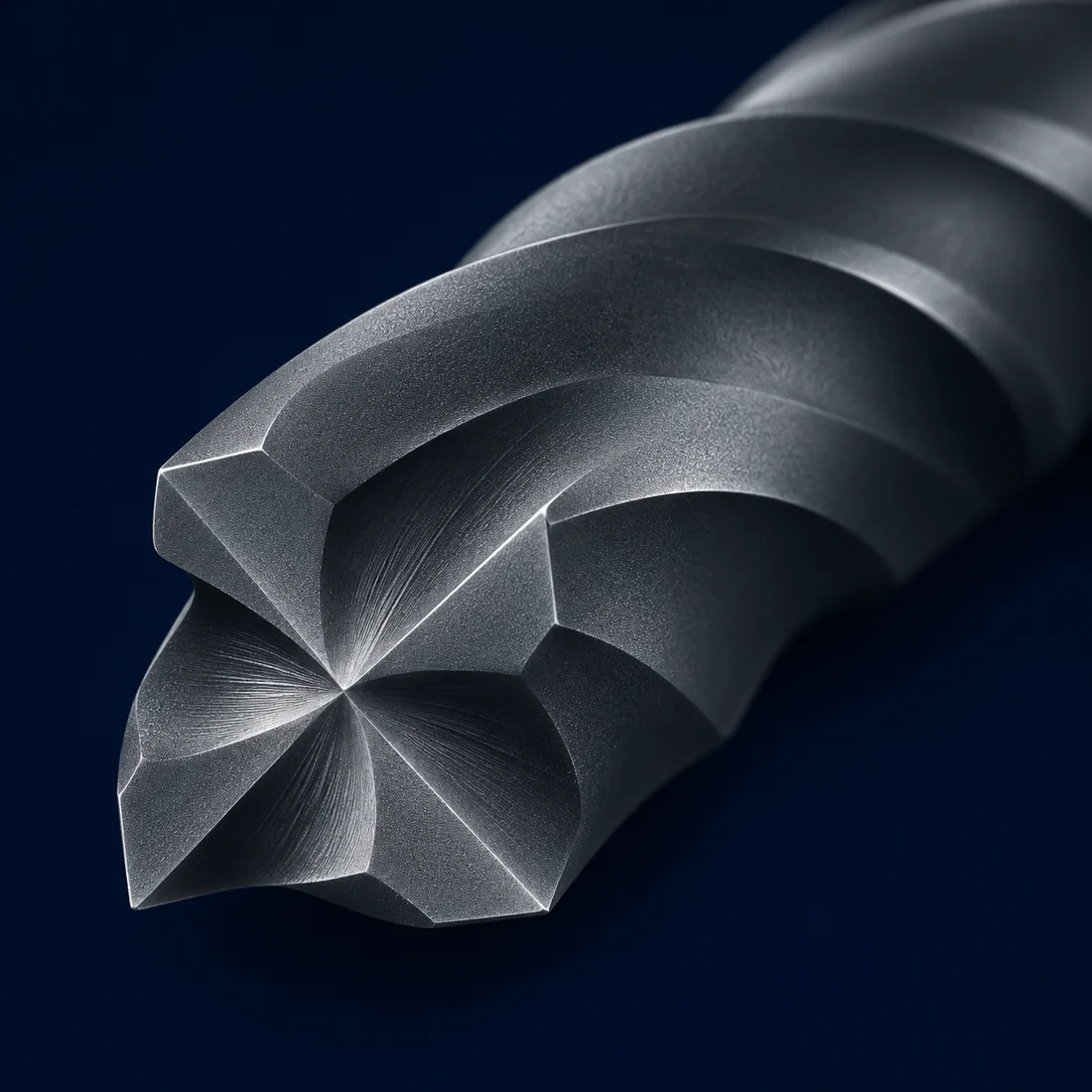
Graphite is abrasive and brittle. Cutting-edge condition, tool reach and the strength of fine electrode features all influence the result.
The helical flute carries material away from the cutting zone. Dust extraction around the workpiece remains important in enclosed pockets and recesses.
A positive rake provides a sharp cutting action. Feed, engagement and tool support must also suit thin walls and small graphite details.
Edge polishing is part of the tool preparation. Fine details require particular attention to edge wear, runout and tool overhang.
Graphite grade, grain size and the smallest electrode details affect cutter selection. A roughing tool and a finishing tool may need different cutting lengths, radii and engagement.
Graphite grade
Grain size
Electrode feature size
Roughing or finishing
Short tool overhang and controlled runout help retain small features. Dust removal should suit the machine and the workpiece. Cutting conditions need to match the actual graphite grade, tool diameter and operation.
Our factory combines CNC tool grinding, edge preparation, coating equipment and profile inspection for carbide end mill production.
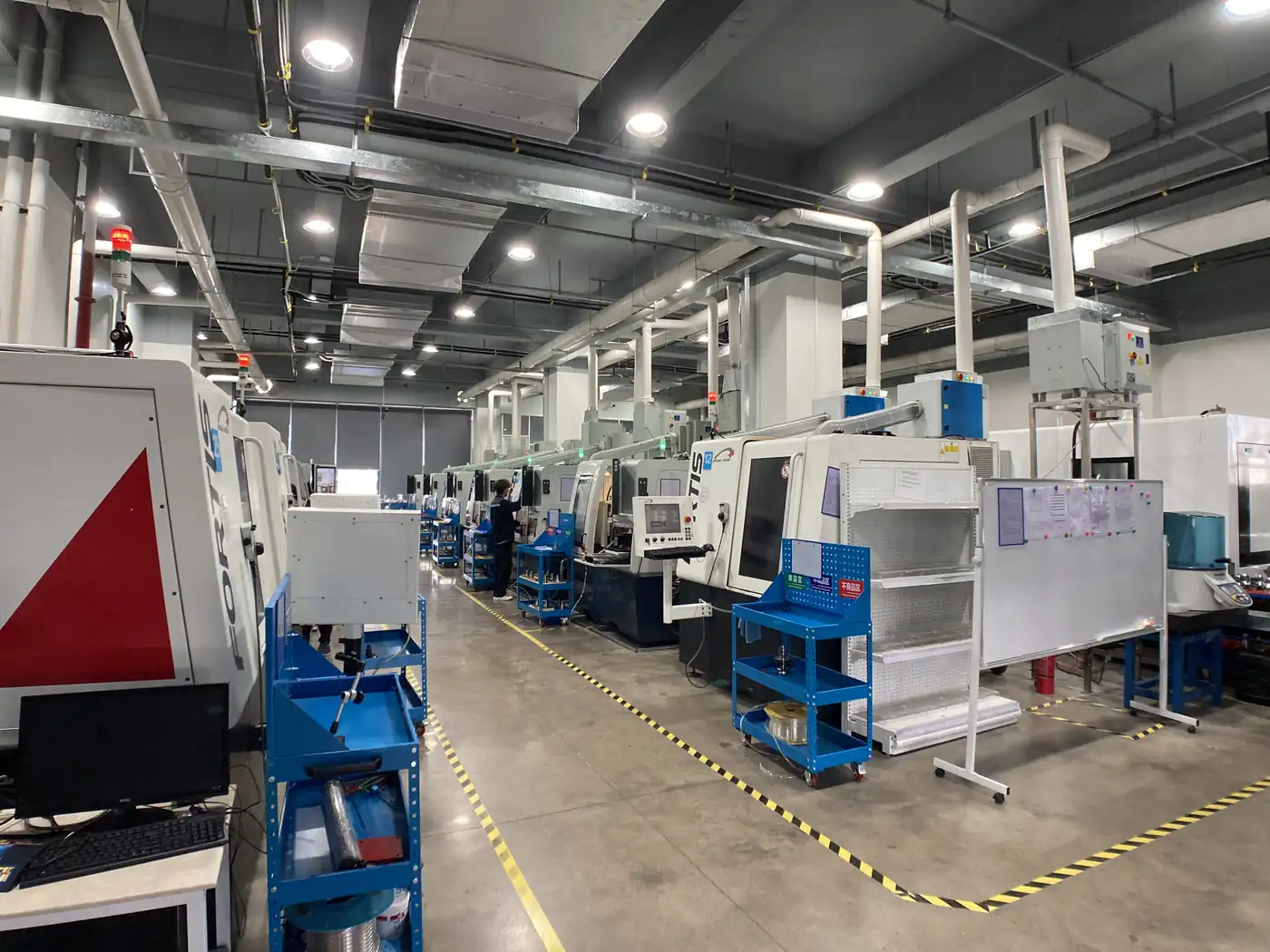
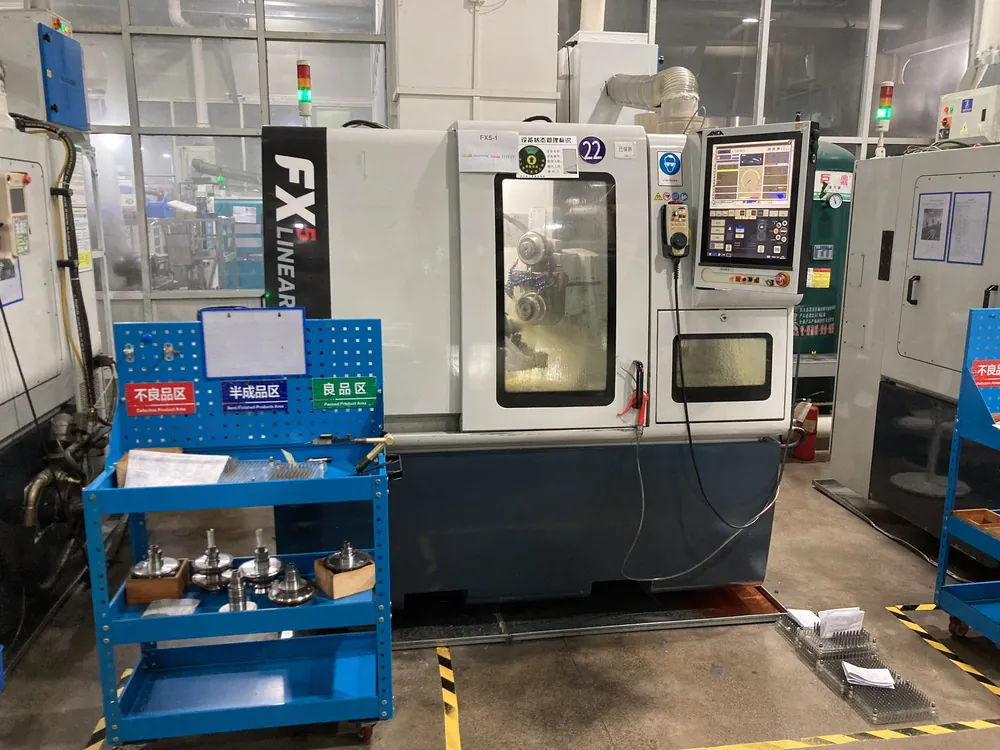
Five-axis CNC grinding forms the flutes and cutting profile. Fluid blasting and automated polishing prepare the cutting edges.
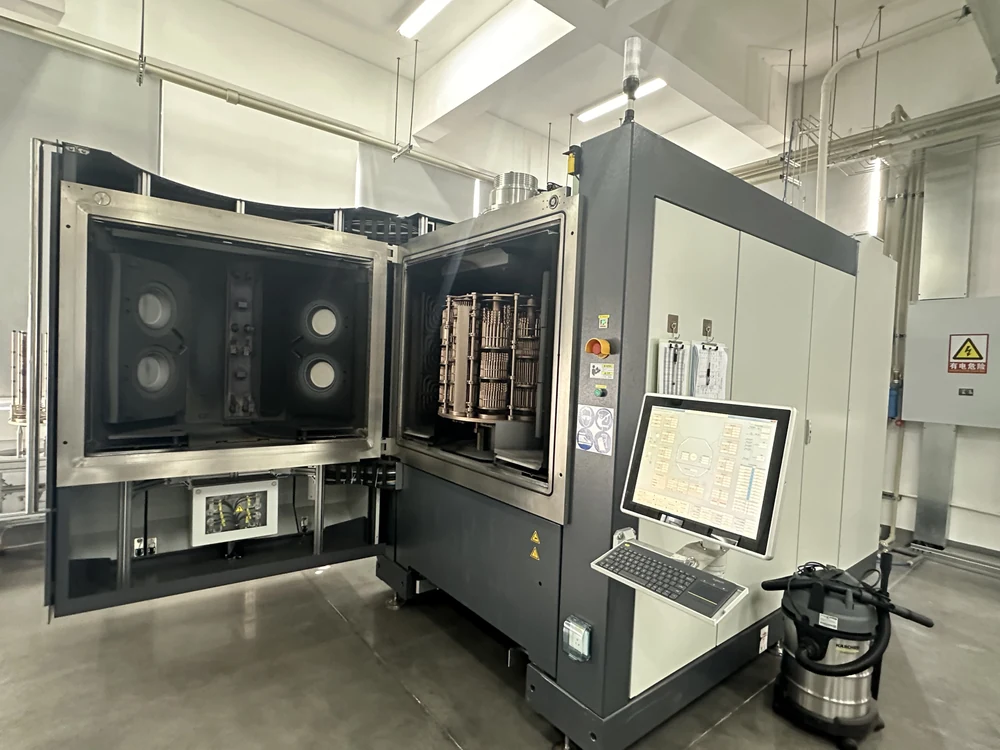
Our factory has coating equipment for cutting-tool production. The coating specified for each tool is matched to its workpiece material and geometry.
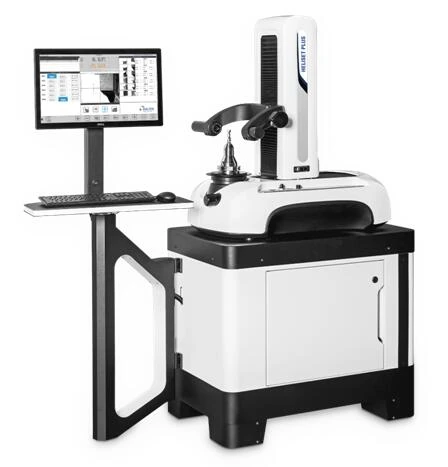
HELICHECK PLUS profile measurement, 150× optical inspection and 300× appearance checks support geometry and edge inspection.
We manufacture graphite end mills to drawing, including reduced necks, custom cutting lengths, diameters and corner radii. Customer marking and private-label packaging are available for repeat orders.
Custom Tooling →What end mill should I use for graphite?
A diamond-coated carbide end mill is a suitable choice for abrasive graphite. ZHY manufactures square, ball nose and corner radius profiles for graphite electrodes and molds. The part geometry, graphite grade, feature size and reach determine the appropriate configuration.
Why use diamond-coated end mills for graphite?
Diamond coating provides a wear-resistant cutting surface for abrasive graphite. Coating, carbide substrate and edge geometry work together; tool life also changes with the graphite grade, cutting conditions and feature geometry. A coating alone does not establish a guaranteed tool-life increase.
Can the same graphite end mill be used for roughing and finishing?
Some graphite end mills can perform both operations, but the required reach and final detail may call for separate tools. Roughing prioritizes stock removal and feature support. Finishing prioritizes contour accuracy, edge condition and the surface left by the cutter.
What information is needed to select a graphite finishing end mill?
The smallest internal radius, feature depth and required surface finish are useful starting points. For ball nose tools, ball radius and stepover affect the remaining scallop. Graphite grade, grain size and tool overhang also influence the selection.
Does graphite milling require coolant?
Graphite can be machined dry with suitable dust extraction. Wet machining is also used with tools and equipment designed for that process. The machine, graphite grade and downstream electrode requirements determine which method is appropriate; a metal-cutting coolant routine should not be assumed to suit graphite.
Can ZHY make long-neck or custom graphite end mills?
Yes. ZHY can manufacture long-neck and custom graphite end mills to drawing. Specify cutting diameter, cutting length, neck diameter and length, shank, overall length and corner or ball radius. The shortest reach that clears the feature helps retain tool stiffness.
What information is needed for a graphite end mill quotation?
Provide the cutter profile, dimensions, flute count and quantity, together with the graphite grade and machining operation. Include feature depth, the smallest internal radius and any neck-clearance dimensions. Customer marking and packaging can be specified with the order.